Dumsor is more than an inconvenience. It affects how we work, study, cook, preserve food, and run our businesses.

For many homes and companies in Ghana, the lights go off at the worst time. It may happen during an online meeting. It may happen when the fridge is full. It may also happen when children are studying or customers are waiting.

At the same time, ECG bills continue to rise. Diesel and petrol generators can help, but they are noisy and expensive to run. They also need fuel, servicing and regular repairs.

This is where solar battery storage becomes a practical solution for Ghana. It stores solar power during the day. You can then use that power when the grid goes off, when tariffs feel high, or when you want more control over your energy.

In this guide, Nocheski Solar explains how solar battery storage works, why it matters in Ghana, what it costs and how to get started.

Why Dumsor and High Electricity Costs Remain a Real Problem in Ghana

Every Ghanaian understands dumsor. It is not just “lights off”. It means lost time, lost comfort and sometimes lost income.

For a homeowner, dumsor may mean spoiled food, hot nights and interrupted entertainment. It may also mean children cannot study and security lights stop working.

For a business, the cost can be even higher. Workers may sit idle. Equipment may be damaged. Customers may leave. Sales may be lost.

Clinics, schools, cold stores, hotels, offices and warehouses all need reliable power. When electricity fails, planning becomes difficult.

Many people respond by buying a generator. This works for a while, but it brings other problems.

Generators need fuel. They need oil changes and servicing. They make noise and produce fumes. They also expose you to rising fuel prices and sudden breakdowns.

The national grid is still important. However, grid access is not the same as grid reliability. Even when power is available, voltage changes and unplanned outages can affect your appliances.

For businesses in Accra, Tema, Spintex, East Legon, Ashaiman, Kasoa, Takoradi and Kumasi, power is not a luxury. It is part of daily operations.

A cold room, pharmacy, printing press, hotel, church, school or office cannot afford repeated downtime.

This is why many Ghanaian households and organisations are now looking beyond ordinary backup power. They want a cleaner, quieter and smarter way to keep essential loads running.

That is where solar battery storage becomes relevant.
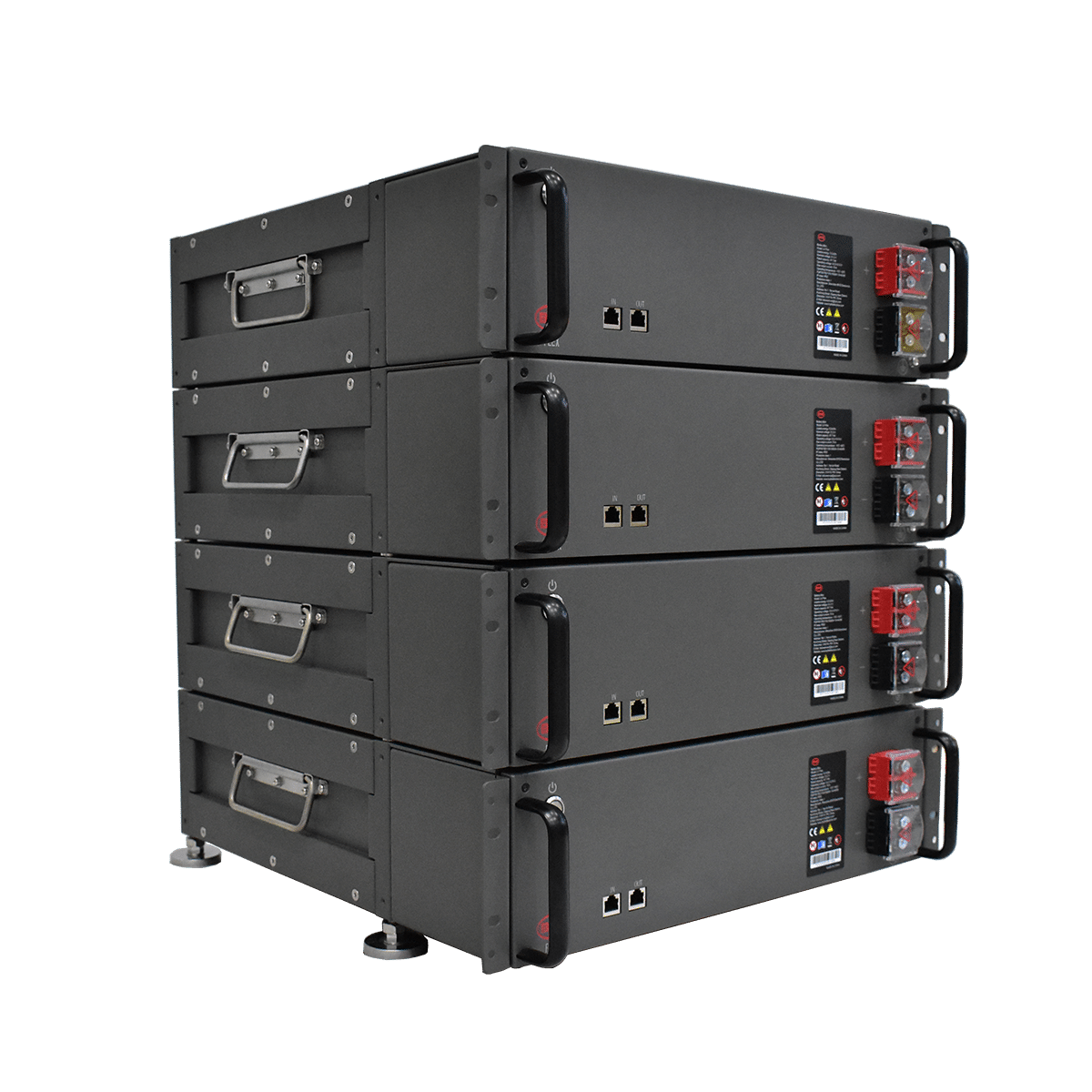
BYD LV FLEX BATTERY

BYD LV LIFEP04 FLEX BATTERY

Solar Battery Storage Explained: A Smarter Dumsor Solution for Homes and Businesses

Solar battery storage gives you stored energy that can be used when the grid fails. Instead of depending only on ECG or a fuel-powered generator, you can use power saved from the sun.

In simple terms, solar battery storage is a system that stores electricity for later use. When connected to solar panels, it captures energy from the sun during the day. You can then use that energy when you need it.

A typical system includes:

  • Solar panels to generate electricity from sunlight
  • An inverter to convert solar power into usable electricity
  • A battery bank to store extra energy
  • A charge controller or hybrid inverter to manage charging
  • Protection devices to keep the system safe
  • Monitoring tools to track performance

The biggest benefit is simple. When the grid goes off, your essential appliances can continue running.

These may include lights, fans, Wi-Fi, televisions, computers, fridges, security systems, tills, medical equipment and office machines.

Solar battery storage is different from a basic solar system without batteries. A grid-tied solar system can reduce daytime electricity use. However, many grid-tied systems shut down during a power cut for safety reasons.

A hybrid solar system with batteries is different. It is designed to provide backup power when the grid is unavailable.

It is also different from a generator. A generator creates power by burning fuel. A battery stores power and releases it quietly when needed.

When the battery is connected to solar panels, it can be charged by sunlight during the day. This makes the system cleaner, quieter and easier to manage.

For many Ghanaian users, the best solution is not to power everything at once. The smarter approach is to identify essential loads first.

These are the appliances and systems you cannot afford to lose during dumsor. This may include lighting, refrigeration, Wi-Fi, security, computers or selected business equipment.

Nocheski Solar helps clients make this decision properly. The goal is not to sell the biggest battery. The goal is to design the right system for your real energy needs.

How Solar Battery Storage Works in a Ghanaian Home or Business

A well-designed solar battery storage system can automatically decide when to use solar power, battery power or grid power.

The technology may sound complex, but the basic process is easy to understand.

During the day, your solar panels generate electricity. That power first serves the appliances that are running at the time.

If the solar panels produce more power than you are using, the extra energy charges the battery.

Later, when the sun goes down or solar production drops, the battery can release stored electricity. The same thing happens when the grid goes off.

The inverter then converts the stored power into electricity your appliances can use.

Depending on the setup, your home or business can draw power from:

  • Solar panels
  • Batteries
  • The grid
  • A generator

This is why hybrid systems are useful in Ghana. They allow different energy sources to work together.

For example, a home in Tema may use solar power during the day. In the evening, it may use battery power. It may only use ECG power when needed.

A business in Accra may use solar to reduce daytime electricity costs. It may then use battery storage during outages. A generator can remain available as a final backup for long emergencies.

The quality of the inverter matters. Brands such as Victron Energy and Fronius are respected because they are reliable and intelligent.

A good inverter protects your system. It manages energy flow and allows better monitoring.

Battery quality also matters. Not all batteries are the same.

Some batteries are built for deep cycling. Others are only suited for occasional backup. Lithium battery systems are now popular because they are efficient, compact and long-lasting.

However, the brand alone is not enough. Good design and proper installation are just as important.

A professional design should consider:

  • Your daily electricity use
  • The appliances you want to back up
  • The number of backup hours you need
  • Your roof space
  • Solar panel capacity
  • Battery type and size
  • Inverter capacity
  • Safety protection
  • Future expansion
  • Budget and return on investment

This is why a site assessment is important. Guesswork can lead to problems.

If the system is too small, it will disappoint you. If it is too large, you may spend more than necessary.
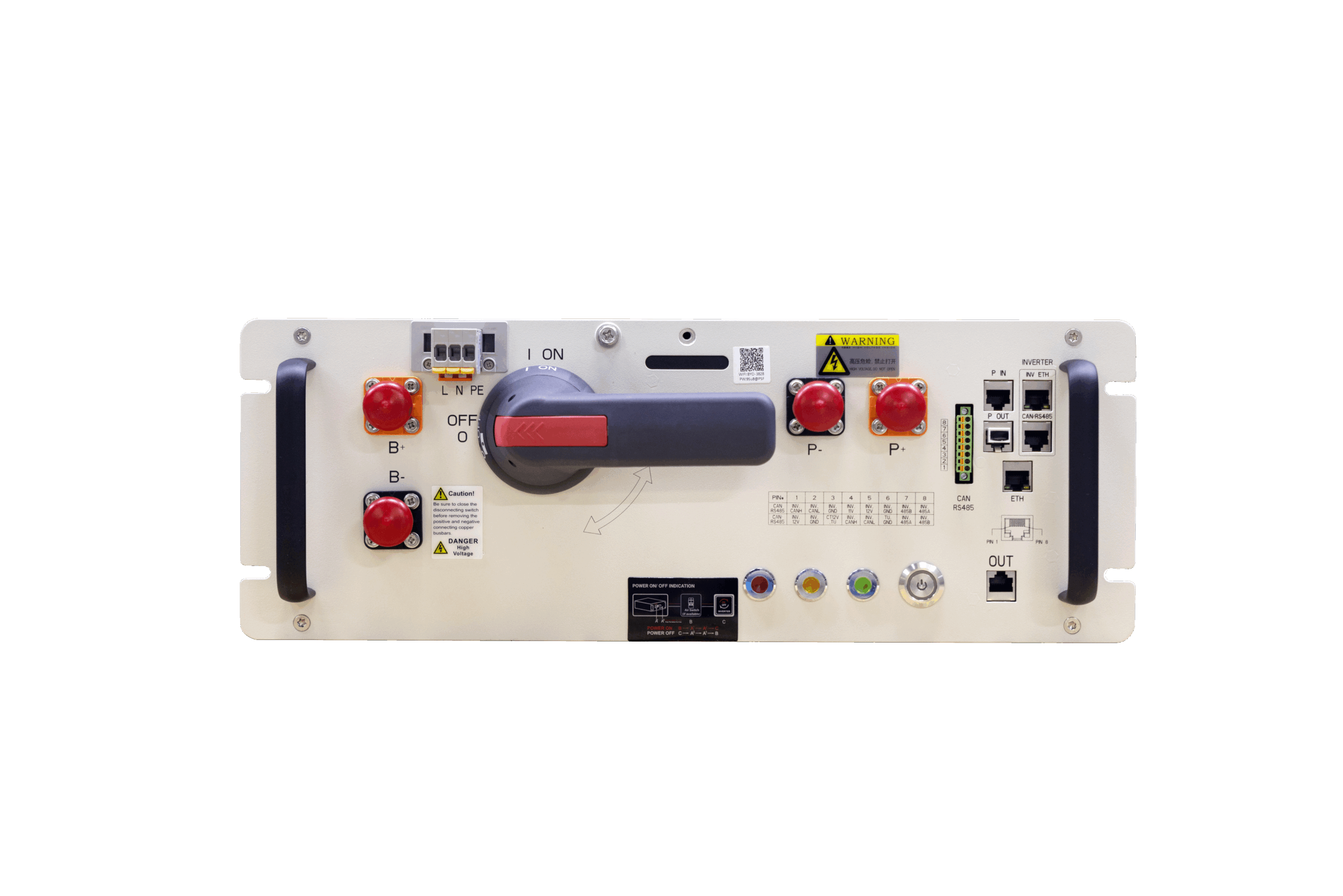
BYD Max Lite battery PDUReal-World Benefits of Solar Battery Storage in Ghana and West Africa

For Ghanaian businesses, solar battery storage can protect sales, stock, customer service and productivity during unexpected outages.

The first benefit is peace of mind. When dumsor happens, you do not have to panic.

Your lights, Wi-Fi, fridge, security system and key appliances can keep working.

For homes, this means more comfort. Children can study. Food can stay fresh. Mobile phones and laptops can remain charged.

Fans can also keep running during hot nights. Security lights and electric gates can continue to operate.

For businesses, the value is even greater.

A shop can keep serving customers. A pharmacy can protect temperature-sensitive products. A cold store can reduce the risk of spoilage.

An office can keep computers, routers and communication systems running. A hotel or guest house can also improve customer experience during outages.

Solar battery storage also reduces generator dependence. This means less noise, fewer fumes and lower fuel stress.

Many businesses still keep a generator for extreme backup. However, they use it less often. This can reduce maintenance costs and improve the working environment.

Another benefit is energy control. Electricity tariffs can change, and many consumers want to reduce how much power they buy from the grid.

Solar panels help you generate power during the day. Batteries help you use more of that power later.

There is also a wider African benefit. Solar plus storage supports decentralised energy.

It can help homes, schools, clinics, farms and small businesses operate in areas where grid reliability is weak.

In West Africa, sunlight is abundant. This makes solar panels, efficient inverters and battery storage a strong combination for energy resilience.

For environmentally conscious customers, battery storage also reduces reliance on fossil-fuel generators. It supports cleaner energy use and can form part of a company’s sustainability plan.

In simple terms, solar battery storage gives Ghanaian homes and businesses three things they need:

  • Reliability
  • Control
  • Long-term value

Cost, ROI and What to Consider Before Buying a Solar Battery System

The cost of a solar battery storage system in Ghana depends on the size and quality of the system.

A small home backup system will cost less than a large commercial hybrid system. A school, hotel, factory or office block will usually need a bigger design.

The cost also depends on your backup needs. It is affected by battery size, inverter capacity and the appliances you want to power.

The main cost factors include:

  • Number and wattage of solar panels
  • Battery capacity
  • Inverter brand and size
  • Type of battery technology
  • Electrical protection and installation materials
  • Roof structure and mounting needs
  • Monitoring and control features
  • Labour, testing and commissioning
  • After-sales support

It is tempting to compare systems only by price. However, this can be misleading.

A cheaper system may have a shorter battery life. It may also have poor protection, limited monitoring or weak after-sales support.

In solar energy, the lowest quote is not always the best investment.

The better question is this: what problem should the system solve?

For some homes, the goal is to power essential loads during dumsor. For others, the goal is to reduce ECG bills.

For businesses, the goal may be different. It may be to prevent downtime, protect stock, improve customer service or reduce generator fuel use.

Return on investment should include direct and indirect savings.

Direct savings may come from reduced grid consumption and lower generator fuel costs.

Indirect savings may come from avoiding spoiled goods, protecting equipment, keeping staff productive and serving customers without interruption.

A good ROI discussion should include:

  • Current monthly ECG bills
  • Monthly generator fuel cost
  • Generator maintenance cost
  • Value of lost business during outages
  • Cost of equipment damage
  • Battery lifespan
  • Expected solar production
  • Maintenance needs
  • Future expansion plans

For facilities managers, this analysis is very important.

Solar battery storage should not be treated as a gadget. It is energy infrastructure. When designed well, it becomes part of your business continuity plan.

Nocheski Solar can help you compare different system options. These may range from essential-load backup to larger hybrid solar systems.

The right choice depends on your load profile, budget, site conditions and energy goals.

How to Get Started with Nocheski Solar

Getting started with Nocheski Solar is simple. The first step is to understand your energy needs.

Nocheski Solar designs solar battery storage systems for homes, offices, shops, schools, clinics and commercial facilities in Accra, Tema and across Ghana.

Before recommending a system, Nocheski Solar will ask a few important questions.

What do you want to power? How long should backup last? Is your main concern dumsor, high ECG bills, generator cost or all three?

For a home, this may involve listing key appliances. These may include lights, fans, fridge, television, Wi-Fi router, laptops and security systems.

For a business, the process may involve reviewing equipment, operating hours, monthly bills and critical loads.

A typical process may include:

  • Initial consultation
  • Review of ECG bills and generator use
  • Load assessment
  • Site visit in Accra, Tema or your project location
  • Roof and electrical inspection
  • System design and quotation
  • Installation by trained technicians
  • Testing and commissioning
  • User training
  • After-sales support

Nocheski Solar supplies and installs solar panels, inverters, battery storage systems and hybrid solar systems.

The company works with trusted technologies including Victron Energy ,BYD and Fronius. It also designs systems for Ghanaian conditions.

The most important advice is simple: do not buy a battery system blindly.

Battery storage must be properly sized and safely installed. Poor design can lead to frustration, wasted money and unsafe operation.

Whether you are a homeowner tired of dumsor or a business owner worried about downtime, Nocheski Solar can help.

The same applies if you are a facilities manager planning long-term energy resilience. A proper solar battery storage system can give you reliable backup and better control.

Conclusion

Dumsor may be a familiar Ghanaian problem, but your response to it can be modern, quiet and efficient.

Solar battery storage gives homes and businesses a practical way to keep essential appliances running. It also reduces generator dependence and helps you control electricity costs.

The right system starts with proper design. It should match your loads, budget, roof space and backup needs.

With quality solar panels, reliable inverters and well-sized batteries, you can turn sunlight into dependable power.

Ready to protect your home or business from dumsor? Visit nocheski.com or contact Nocheski Solar in Accra and Tema to discuss a solar battery storage system designed for your needs.


Ghana:How Fronius saves businesses Ghc 24,000 per annum on electricity.The conversation was getting heated and it ended with the statement “Diesel Generators are cheaper than the Electricity Company of Ghana (E.C.G) and some businesses in Ghana run on generator power even when the grid is available”……………………..

The reality of Ghana’s power situation

This was what I learnt from a conversation I had in 2014 with an associate of mine who ran a medical practice in East Legon at the time.I was actually doubtful of his claims because of his political affiliation and therefore brushed these claims aside.

Whilst Ghana appears to have recovered, somewhat, from the power crisis, many businesses are, ironically, turning to generators which they find to be cheaper than the national grid. Fast forward to 2017 ,whilst running several power audits across Ghana ,I  come across several businesses who run on diesel generator power 2-3 times weekly as a cost cutting strategy for electricity. Some of these business claim to be able to save up to 25% on power costs by this strategy alone.

With Ghana’s prepaid metering system, it’s easy to compare how much is spent on either generators or the national grid on weekly or even daily basis .The bare facts are that  that solar  has gotten cheaper today than it was years ago and with an average 5.5 hours of effective sunshine daily in Ghana, businesses  should seriously consider quality Grid-tied solar power systems such as Fronius .With these solar power systems you don’t need to even worry about rising utility tariffs  or fuel prices.

Ghana :How Fronius saves businesses Ghc 24,000 on electricity

A grid-tie solar installation ,showing solar panels on the roof of a Guesthouse in Ghana

Most Ghana based business shy away from Solar power because of the perceived high initial costs. Grid-tied solar often has fewer upfront costs than an off-grid system. For one, it can cost less to install a grid-tied system because it does not require batteries, as off-grid does. For another, it’s more flexible, as you don’t necessarily have to install the number of panels you will need to produce all your energy needs right away. people choose grid-tied solar power  systems when they know they could only afford a certain number of panels at a given time, so their goal is to lower their electricity bills—but not eliminate them entirely just yet.

Grid-Tie Research Findings

A fully installed 20Kw Fronius Grid-tied solar inverter in Accra-Ghana

Over time, you can always add more panels as you find the financial resources to do so.This solar power option is excellent  for  commercial operations that have a high power demand during daytime hours.Up to 65% percent of power demand for most offices in Ghana is for air-conditioning /cooling due to high daytime temperatures  and humidity.  Our research indicates that grid tied solar can be at least 45% cheaper than off grid solar power systems and you can save Ghc 24,000 per annum by the deployment of just 10kwp. We are able to calculate the savings because of the inbuilt monitoring systems in these intelligent devices built by Fronius BV of Austria.

Nocheski Solar is dedicated to using products  that have a strong, unrivalled reputation for technical innovation, reliability, and build quality. Our products are widely considered to be the professional choice for independent electric power.You may call +233244270092  email for further information


Erratic power supply AKA Dumsor has always been hot topic these past few  years .Pronounced “doom-sore” (or more appropriately dum sɔ, “off and on”) is a popular Ghanaian term used to describe persistent, irregular and unpredictable electric power outages. Everybody from businesses to households has been affected one way or the other. In addition to this most Ghana residents have had to spend 200-300% more than what they used to spend on electricity five years ago.

2016 is an election year in Ghana and I hear lot of promises from political parties and politicians alike. These promises include, good roads, education, health, jobs and of course Energy .

Thousands of Ghanaians attended the much anticipated ‘Dumsor must stop vigil’ in Accra on Saturday.

The protestors clad in red and black outfits marched from the Total Filling station opposite the University of Ghana to the Tetteh Quarshie Interchange here in the Greater Accra Region.

The vigil was led by Yvonne Nelson and other celebrities such as Efya, DKB, Sydney,Van Vicker and a host of others. Watch the the video here 

Can we be brutally honest with each other as Ghana residents?

  • Our energy demands have risen over the years and we require more capacity
  • Energy prices have risen all over the world and reliance on only hydro isn’t sufficient for Ghana anymore
  • There is no political party that can reduce electricity tariffs to rates that were being paid 5-10 years ago. Even if anybody tried, it wouldn’t be sustainable
  • Electricity prices will continue to rise in the coming years and the time to change our mindset is now
  • Ghana needs a serious national policy plan /implementation on energy matters
  • All the are above play a key role in Dumsor


I have to admit times are pretty hard in Ghana these days. A lot of people are unable to pay their utility bills. Some have actually resorted to either connecting utilities illegally or using less. Many people in Ghana have been caught, some of them being foreign businesses and all .I also know a few people who switch off their refrigerators or deep freezers at night.

Another interesting fact is that for those who are buying new electrical appliances, price becomes the most important or deciding factor so much  such that efficiency is thrown out of the window.

While interacting with people we get these statements quite frequently: So you tell people to use less electricity and conserve it?” or “Your website has ideas on how to buy appliances, how does that relate to saving electricity?” The easiest way to save energy (or electricity) is to use less of it, but we have to be realistic in our approach. Our lifestyles are changing, and with increased pace of development, our need for appliances is increasing and so is our need for energy.  Thus the ideal mix to save energy will involve both conservation and efficiency. Now let us look at what is the difference between the two.

Dumsor:The politrix of Energy Efficiency VS Conservation

kicking dumsor out of Ghana

What is Energy Conservation?

Whenever you use less of something that means that you are trying to conserve it. So if you use a 1100cc vehicle instead of a V8 vehicle, it means that you are trying to conserve fuel (among many other reasons why you would prefer to use 1100CC over a V8 motor vehicle). If you switch off lights when they are not needed, then you are conserving energy. When you increase the temperature at which you operate your air conditioner from say, 24 degrees to 25 degrees, you are conserving energy. You also conserve energy when you switch off your DSTV decoder boxes and TVs when they are not in use.

Energy Conservation is all about using energy only when it is required and using it as much as needed for the job and not wasting any amount of it. It requires a conscious effort from the user of energy to make sure that there is no wastage on a regular basis. It requires a lot of behavioral change and needs effort. It may not need any investment always.

So what is Energy Efficiency?

Energy efficiency in contrast means using lesser energy to do the same job. When you buy a car that gives more mileage, you use less fuel to travel the same distance. When you buy a 5 star rated air conditioner instead of a 3 or 2 star rated air conditioner, it means that for the same usage and in same conditions, you use less electricity (for the same temperature at which you operate them). If you use a 5 star rated air conditioner at higher temperature, you double the effect and combine energy efficiency with energy conservation.

Energy efficiency has more impact on your personal finances. An efficient appliance may cost more than an inefficient appliance. Although the additional capital cost may get recovered in form of electricity savings. Energy efficiency may not require physical effort but requires change in people’s buying patterns. It requires knowledge of various products and their efficiencies. If people start buying more of efficient products, manufacturers will start producing more of them.

Conclusion

Both energy efficiency and energy conservation have the same goal.That is  to save energy and the same impact: saves money. Both can individually save energy but when coupled together can save double the amount of energy and money. It depends on your choices as to which one you like to do. A good mix of the two can ensure high savings with low investments and efforts. Finally ,going solar is a brilliant way to achieve all this in a single  move by trying  out our mini off-grid solar packages All these efforts will go a long way in curbing  Dumsor


Inverter Air conditioners & the rising electricity tariffs in Ghana

My Nigerian friends often say Ghanaian folk have a signature look, very dark skin and red eyes. This they claim is as a result of the scorching sun in Ghana. Ghana is hot o…….

Average temperatures often range between  35-40 degree Celsius with high levels of humidity . Due to the nature of the weather in Ghana Air-conditioning is no longer a luxury.Most homes and offices who can afford , have invested in one form of cooling or the other while those who cant have settled for fans.But what happens when there is erratic power supply and load shedding  AKA Dumsor  in Ghana? I bet that is another topic for another day.

KIDS COOLING OFF IN ACCRA GHANA

little children cooling off in bowls of water at home on a sunny day in Accra,Ghana

Recent electricity price hikes in Ghana have made Air Conditioners a pain point for most who are concerned about their electricity bills. Electricity bills increase significantly when an air conditioner is added to the list of appliances in a household. Although it is difficult to significantly reduce the “big” impact of an air conditioner on your electricity bills, it can be managed by choosing the right technology. Also by following the right installation/maintenance/operation procedure and also putting into consideration the insulation of room where the air conditioner is being operated.

The latest and the most efficient technology that is available on market today is the Inverter Technology for air conditioners. Inverter technology is designed in such a way as to save 30-50% of electricity (units consumed) compared to regular air conditioning systems.At Nocheski ,we live up to our promise of driving your business with technology and we recommend the use of energy efficient appliances such as inverter Air-conditioners from brands including LG,Daikin,Carrier Samsung , Gencool, Hisense just to name a few.

How do air conditioners work?

For most people, air conditioner just throws cool air at the temperature one sets it at. But does it really work that way? In principle, an air-conditioner during the cooling process, takes the indoor air, cools it by passing it through evaporator and releases it back in the room. It is quite opposite to how our good old air coolers used to work. Air coolers used to take outside air, cool it with water and throw it in. But air conditioners just work on internal air. Along with evaporator an air conditioner also has a compressor that compresses the gas (refrigerant) in the AC to cool it that in turn cools the incoming internal air from the room.

In a regular air conditioner:

The compressor is either off or on. When it is on, it works at full capacity and consumes the maximum electricity it is designed to consume. If the thermostat reaches the temperature level set in the AC, the compressor stops and the fan (in AC) continues to operate. Then the thermostat senses that the temperature has increased, the compressor starts again.

https://www.youtube.com/watch?v=DvvPDm7I6W0

Air Conditioners with Inverter Technology

The inverter technology works like an accelerator in a car. When compressor needs more power, it gives it more power. When it needs less power, it gives less power. With this technology, the compressor is always on, but draws less power or more power depending on the temperature of the incoming air and the level set in the thermostat. The speed and power of the compressor is adjusted appropriately. Originally developed in Japan for use in air-conditioning systems, digital inverter technology is now applied globally in appliances such as refrigerators, washing machines and even microwave ovens.

digital inverter air conditioners,fridges, are getting popular in Ghana

Samsung has a new line-up of household appliances for the digital home that saves on cost and offers more features.

What is benefit of Inverter Technology?

Air conditioner is designed for a maximum peak load. So a 1.5hp AC is designed for a certain size of room and 1 hp for a different size. But not all rooms are same . A regular air conditioner of 1.5hp capacity will always run at peak power requirement when the compressor is running. An air conditioner with inverter technology will run continuously but will draw only that much power that is required to keep the temperature stable at desired levels.  Hence Automatic adjustment of capacity based on the requirement of the room it is cooling and so requiring less electricity for efficient operation although air conditioner with Inverter Technology adjusts its capacity based on the room requirement, it is very important to install a right sized air conditioner in a room.

Its important  that you evaluate the room and air conditioner capacity before you make a purchase.Moreover digital inverter technology appliances such at home further increases the business case for installing solar for home.This as a result of highly reduce electrical load. Check out our off-grid solar  offers for 2-5 bedroom homes .For further clarifications on this subject ,you may contact our product specialist in Tema  here


Victron Energy Multiplus inverter -Now improved with faster switching to grid.It can now switch much faster from inverter mode to mains mode. Combined with our high peak power ratings, this makes it possible to switch to mains mode before shutting down in an inverter overload alarm. This is especially useful in Self-consumption Hub-1 and 2 installations: it allows using an inverter/charger with a nameplate power below the system power. Victron Energy Multiplus  inverter improved: faster switching to grid

The old hardware will take approximately 8.5 seconds to switch from inverter- to charger-mode, the new hardware can do it within half a second. Some notes:

  • single phase installations will be even faster than the half a second mentioned;
  • fast switching is only possible in the 3xx firmware versions. The difference between 3xx on one hand, and 1xx and 2xx on the other hand is approximately another 0.5 second in the worst case scenario: slightly differing frequency, and inverter being 180 degrees out of sync with the grid;
  • all larger models, 3kVA and upwards, already have fast-switching since a long time;
  • do not forget the other limit to using an ‘undersized’ Victron Energy  multiplus Compact in an installation: the AC transfer capacity. Max system load may never exceed the transfer switch capacity;
  • the load-shedding functions in the self-consumption hub-1 and 2 Assistants give options to further undersize a Victron Energy  Multiplus Compact: use an external relay which is controlled via the Auxiliary output;
  • mentioned switching delays have not been measured exactly;
  • for parallel and three-phase operation, please check the Disqus comments below.

Lots of little details, but all together the conclusion is that this significantly reduces the chance of a Victron switching off in overload condition. Victron Energy  inverter improved: faster switching to grid

Availability

Despite stock and production logistics, all different models are shipping with the new hardware. Below table gives an overview of the current situation, from our main warehouse DSV in the Netherlands.