Dumsor is more than an inconvenience. It affects how we work, study, cook, preserve food, and run our businesses.
For many homes and companies in Ghana, the lights go off at the worst time. It may happen during an online meeting. It may happen when the fridge is full. It may also happen when children are studying or customers are waiting.
At the same time, ECG bills continue to rise. Diesel and petrol generators can help, but they are noisy and expensive to run. They also need fuel, servicing and regular repairs.
This is where solar battery storage becomes a practical solution for Ghana. It stores solar power during the day. You can then use that power when the grid goes off, when tariffs feel high, or when you want more control over your energy.
In this guide, Nocheski Solar explains how solar battery storage works, why it matters in Ghana, what it costs and how to get started.
Why Dumsor and High Electricity Costs Remain a Real Problem in Ghana
Every Ghanaian understands dumsor. It is not just “lights off”. It means lost time, lost comfort and sometimes lost income.
For a homeowner, dumsor may mean spoiled food, hot nights and interrupted entertainment. It may also mean children cannot study and security lights stop working.
For a business, the cost can be even higher. Workers may sit idle. Equipment may be damaged. Customers may leave. Sales may be lost.
Clinics, schools, cold stores, hotels, offices and warehouses all need reliable power. When electricity fails, planning becomes difficult.
Many people respond by buying a generator. This works for a while, but it brings other problems.
Generators need fuel. They need oil changes and servicing. They make noise and produce fumes. They also expose you to rising fuel prices and sudden breakdowns.
The national grid is still important. However, grid access is not the same as grid reliability. Even when power is available, voltage changes and unplanned outages can affect your appliances.
For businesses in Accra, Tema, Spintex, East Legon, Ashaiman, Kasoa, Takoradi and Kumasi, power is not a luxury. It is part of daily operations.
A cold room, pharmacy, printing press, hotel, church, school or office cannot afford repeated downtime.
This is why many Ghanaian households and organisations are now looking beyond ordinary backup power. They want a cleaner, quieter and smarter way to keep essential loads running.
That is where solar battery storage becomes relevant.
Solar Battery Storage Explained: A Smarter Dumsor Solution for Homes and Businesses
Solar battery storage gives you stored energy that can be used when the grid fails. Instead of depending only on ECG or a fuel-powered generator, you can use power saved from the sun.
In simple terms, solar battery storage is a system that stores electricity for later use. When connected to solar panels, it captures energy from the sun during the day. You can then use that energy when you need it.
A typical system includes:
- Solar panels to generate electricity from sunlight
- An inverter to convert solar power into usable electricity
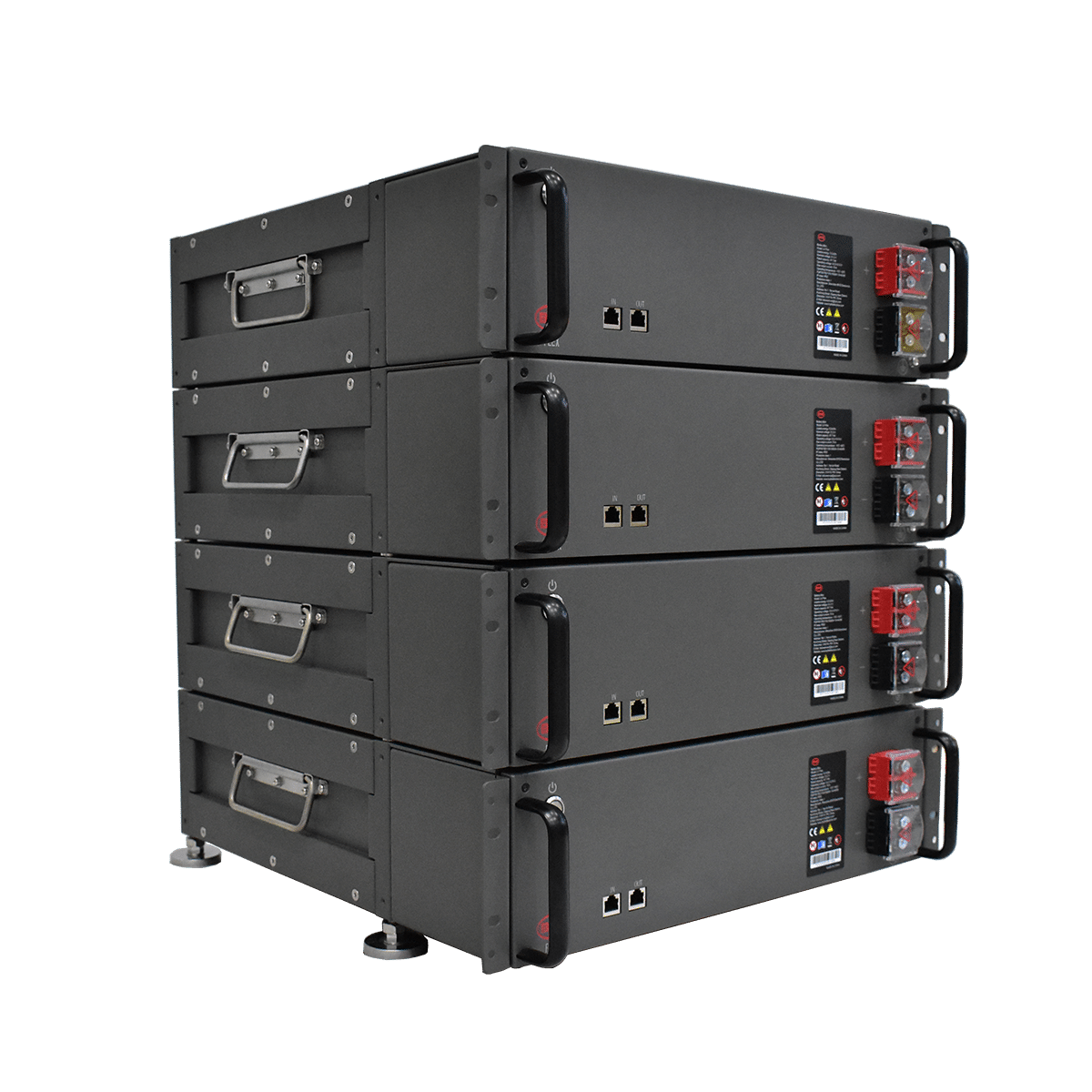
- A battery bank to store extra energy
- A charge controller or hybrid inverter to manage charging
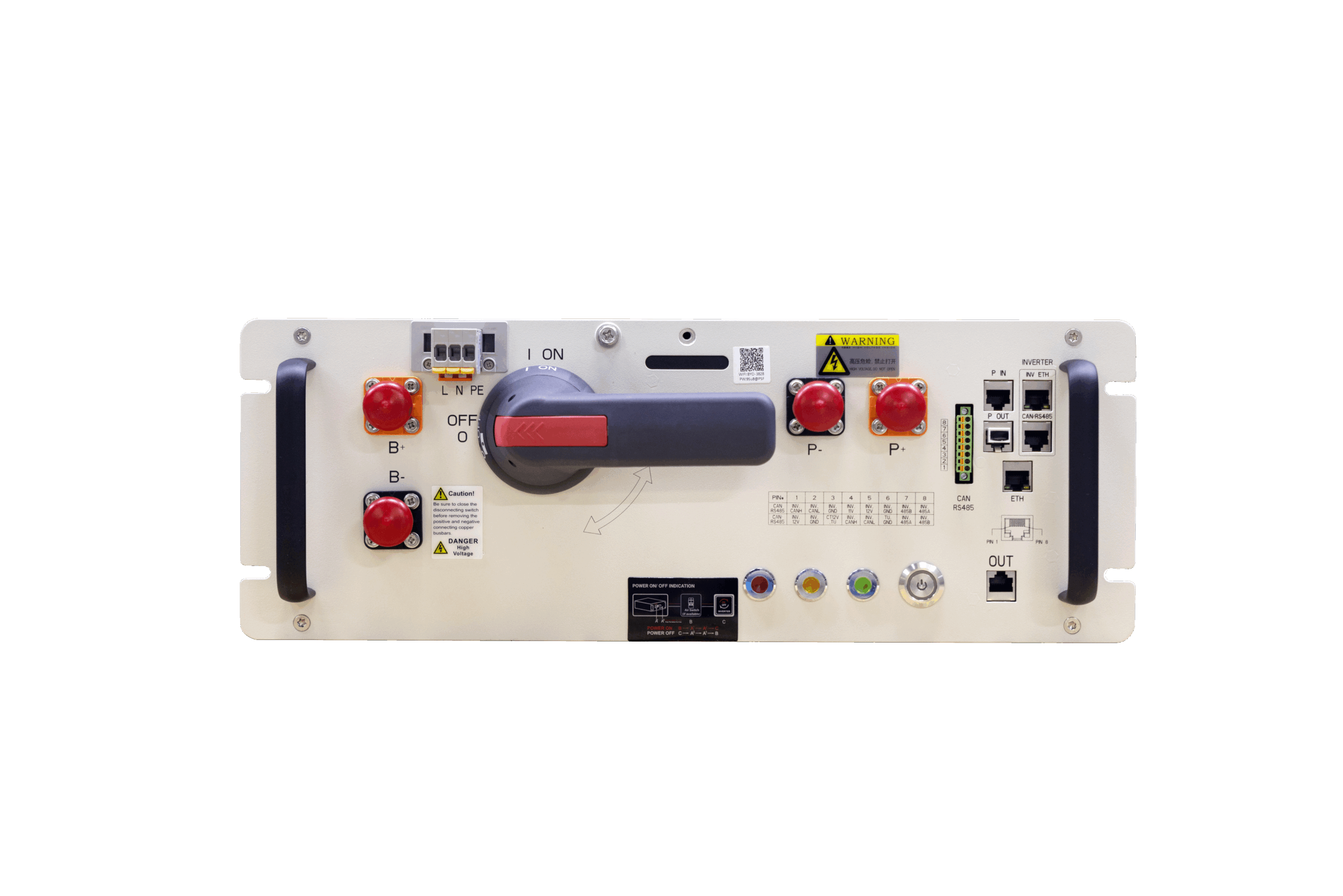
- Protection devices to keep the system safe
- Monitoring tools to track performance
The biggest benefit is simple. When the grid goes off, your essential appliances can continue running.
These may include lights, fans, Wi-Fi, televisions, computers, fridges, security systems, tills, medical equipment and office machines.
Solar battery storage is different from a basic solar system without batteries. A grid-tied solar system can reduce daytime electricity use. However, many grid-tied systems shut down during a power cut for safety reasons.
A hybrid solar system with batteries is different. It is designed to provide backup power when the grid is unavailable.
It is also different from a generator. A generator creates power by burning fuel. A battery stores power and releases it quietly when needed.
When the battery is connected to solar panels, it can be charged by sunlight during the day. This makes the system cleaner, quieter and easier to manage.
For many Ghanaian users, the best solution is not to power everything at once. The smarter approach is to identify essential loads first.
These are the appliances and systems you cannot afford to lose during dumsor. This may include lighting, refrigeration, Wi-Fi, security, computers or selected business equipment.
Nocheski Solar helps clients make this decision properly. The goal is not to sell the biggest battery. The goal is to design the right system for your real energy needs.
How Solar Battery Storage Works in a Ghanaian Home or Business
A well-designed solar battery storage system can automatically decide when to use solar power, battery power or grid power.
The technology may sound complex, but the basic process is easy to understand.
During the day, your solar panels generate electricity. That power first serves the appliances that are running at the time.
If the solar panels produce more power than you are using, the extra energy charges the battery.
Later, when the sun goes down or solar production drops, the battery can release stored electricity. The same thing happens when the grid goes off.
The inverter then converts the stored power into electricity your appliances can use.
Depending on the setup, your home or business can draw power from:
- Solar panels
- Batteries
- The grid
- A generator
This is why hybrid systems are useful in Ghana. They allow different energy sources to work together.
For example, a home in Tema may use solar power during the day. In the evening, it may use battery power. It may only use ECG power when needed.
A business in Accra may use solar to reduce daytime electricity costs. It may then use battery storage during outages. A generator can remain available as a final backup for long emergencies.
The quality of the inverter matters. Brands such as Victron Energy and Fronius are respected because they are reliable and intelligent.
A good inverter protects your system. It manages energy flow and allows better monitoring.
Battery quality also matters. Not all batteries are the same.
Some batteries are built for deep cycling. Others are only suited for occasional backup. Lithium battery systems are now popular because they are efficient, compact and long-lasting.
However, the brand alone is not enough. Good design and proper installation are just as important.
A professional design should consider:
- Your daily electricity use
- The appliances you want to back up
- The number of backup hours you need
- Your roof space
- Solar panel capacity
- Battery type and size
- Inverter capacity
- Safety protection
- Future expansion
- Budget and return on investment
This is why a site assessment is important. Guesswork can lead to problems.
If the system is too small, it will disappoint you. If it is too large, you may spend more than necessary.
 Real-World Benefits of Solar Battery Storage in Ghana and West Africa
For Ghanaian businesses, solar battery storage can protect sales, stock, customer service and productivity during unexpected outages.
The first benefit is peace of mind. When dumsor happens, you do not have to panic.
Your lights, Wi-Fi, fridge, security system and key appliances can keep working.
For homes, this means more comfort. Children can study. Food can stay fresh. Mobile phones and laptops can remain charged.
Fans can also keep running during hot nights. Security lights and electric gates can continue to operate.
For businesses, the value is even greater.
A shop can keep serving customers. A pharmacy can protect temperature-sensitive products. A cold store can reduce the risk of spoilage.
An office can keep computers, routers and communication systems running. A hotel or guest house can also improve customer experience during outages.
Solar battery storage also reduces generator dependence. This means less noise, fewer fumes and lower fuel stress.
Many businesses still keep a generator for extreme backup. However, they use it less often. This can reduce maintenance costs and improve the working environment.
Another benefit is energy control. Electricity tariffs can change, and many consumers want to reduce how much power they buy from the grid.
Solar panels help you generate power during the day. Batteries help you use more of that power later.
There is also a wider African benefit. Solar plus storage supports decentralised energy.
It can help homes, schools, clinics, farms and small businesses operate in areas where grid reliability is weak.
In West Africa, sunlight is abundant. This makes solar panels, efficient inverters and battery storage a strong combination for energy resilience.
For environmentally conscious customers, battery storage also reduces reliance on fossil-fuel generators. It supports cleaner energy use and can form part of a company’s sustainability plan.
In simple terms, solar battery storage gives Ghanaian homes and businesses three things they need:
- Reliability
- Control
- Long-term value
Cost, ROI and What to Consider Before Buying a Solar Battery System
The cost of a solar battery storage system in Ghana depends on the size and quality of the system.
A small home backup system will cost less than a large commercial hybrid system. A school, hotel, factory or office block will usually need a bigger design.
The cost also depends on your backup needs. It is affected by battery size, inverter capacity and the appliances you want to power.
The main cost factors include:
- Number and wattage of solar panels
- Battery capacity
- Inverter brand and size
- Type of battery technology
- Electrical protection and installation materials
- Roof structure and mounting needs
- Monitoring and control features
- Labour, testing and commissioning
- After-sales support
It is tempting to compare systems only by price. However, this can be misleading.
A cheaper system may have a shorter battery life. It may also have poor protection, limited monitoring or weak after-sales support.
In solar energy, the lowest quote is not always the best investment.
The better question is this: what problem should the system solve?
For some homes, the goal is to power essential loads during dumsor. For others, the goal is to reduce ECG bills.
For businesses, the goal may be different. It may be to prevent downtime, protect stock, improve customer service or reduce generator fuel use.
Return on investment should include direct and indirect savings.
Direct savings may come from reduced grid consumption and lower generator fuel costs.
Indirect savings may come from avoiding spoiled goods, protecting equipment, keeping staff productive and serving customers without interruption.
A good ROI discussion should include:
- Current monthly ECG bills
- Monthly generator fuel cost
- Generator maintenance cost
- Value of lost business during outages
- Cost of equipment damage
- Battery lifespan
- Expected solar production
- Maintenance needs
- Future expansion plans
For facilities managers, this analysis is very important.
Solar battery storage should not be treated as a gadget. It is energy infrastructure. When designed well, it becomes part of your business continuity plan.
Nocheski Solar can help you compare different system options. These may range from essential-load backup to larger hybrid solar systems.
The right choice depends on your load profile, budget, site conditions and energy goals.
How to Get Started with Nocheski Solar
Getting started with Nocheski Solar is simple. The first step is to understand your energy needs.
Nocheski Solar designs solar battery storage systems for homes, offices, shops, schools, clinics and commercial facilities in Accra, Tema and across Ghana.
Before recommending a system, Nocheski Solar will ask a few important questions.
For a home, this may involve listing key appliances. These may include lights, fans, fridge, television, Wi-Fi router, laptops and security systems.
For a business, the process may involve reviewing equipment, operating hours, monthly bills and critical loads.
A typical process may include:
- Initial consultation
- Review of ECG bills and generator use
- Load assessment
- Site visit in Accra, Tema or your project location
- Roof and electrical inspection
- System design and quotation
- Installation by trained technicians
- Testing and commissioning
- User training
- After-sales support
Nocheski Solar supplies and installs solar panels, inverters, battery storage systems and hybrid solar systems.
The company works with trusted technologies including Victron Energy ,BYD and Fronius. It also designs systems for Ghanaian conditions.
The most important advice is simple: do not buy a battery system blindly.
Battery storage must be properly sized and safely installed. Poor design can lead to frustration, wasted money and unsafe operation.
Whether you are a homeowner tired of dumsor or a business owner worried about downtime, Nocheski Solar can help.
The same applies if you are a facilities manager planning long-term energy resilience. A proper solar battery storage system can give you reliable backup and better control.
Conclusion
Dumsor may be a familiar Ghanaian problem, but your response to it can be modern, quiet and efficient.
Solar battery storage gives homes and businesses a practical way to keep essential appliances running. It also reduces generator dependence and helps you control electricity costs.
The right system starts with proper design. It should match your loads, budget, roof space and backup needs.
With quality solar panels, reliable inverters and well-sized batteries, you can turn sunlight into dependable power.
Ready to protect your home or business from dumsor? Visit nocheski.com or contact Nocheski Solar in Accra and Tema to discuss a solar battery storage system designed for your needs.