
Solar Panels in Ghana: From Polycrystalline to TOPCon and HJT Explained Simply
Solar energy adoption in Ghana has grown rapidly over the last decade. Rising electricity tariffs, unstable grid supply, frequent outages, and the need for energy independence have made solar power a smart investment for homes, businesses, schools, and industries.
Yet one major challenge remains: solar panel technology is evolving faster than public understanding.
At Nocheski Solar, we meet many clients who ask:
-
Is monocrystalline still good?
-
What is TOPCon?
-
Is bifacial better for Ghana’s climate?
-
Is HJT worth the extra cost?
This article explains the evolution of solar panel technology, step by step, in simple, practical language, with a clear focus on what works best in Ghana.
1. Where It All Started: Polycrystalline Solar Panels
Polycrystalline panels were once common across Ghana because they were affordable and widely available.
Key Characteristics:
-
Made from multiple silicon crystals
-
Lower efficiency (15–17%)
-
Require more roof or land space
Why They Are Becoming Obsolete:
In Ghana, roof space is often limited, and high temperatures reduce panel performance. Polycrystalline panels simply cannot deliver enough power efficiently under these conditions. Today, they are rarely recommended for serious solar projects.
2. The Industry Standard: Monocrystalline Solar Panels
Monocrystalline panels quickly replaced polycrystalline panels due to better performance.
Why Mono Took Over:
-
Higher efficiency (18–20%)
-
Better performance in heat
-
Longer lifespan
-
Sleek black appearance
For many years, monocrystalline panels formed the backbone of solar installations in Ghana—and they still perform reliably today.
https://www.youtube.com/watch?v=8aB_GY6rxPA
3. Smarter Engineering: Half-Cut and PERC Technology
To further improve output and durability, manufacturers introduced PERC and half-cut cell designs.
What This Improved:
-
Reduced internal power losses
-
Better heat resistance (important for Ghana’s climate)
-
Improved long-term reliability
These panels marked a major step forward and are still widely installed across residential and commercial projects.
4. Understanding Bifacial Panels (Very Important)
This is where confusion often begins.
Key Point:
👉 Bifacial is not a solar cell technology. It is a panel design.
What Makes a Panel Bifacial?
-
Electricity is generated from both the front and the back
-
The rear side captures reflected sunlight from the ground
-
Uses glass on both sides, not a white backsheet
Does Bifacial Work in Ghana?
Yes—very well, especially when:
-
Installed on light-colored roofs
-
Mounted above concrete, sand, or reflective surfaces
-
Used in ground-mounted or elevated systems
Bifacial panels can deliver 10–30% more energy depending on site conditions.
Solar Panels in Ghana: From Polycrystalline to TOPCon and HJT Explained in ghana
5. TOPCon Solar Technology: Built for Heat, Built for Ghana
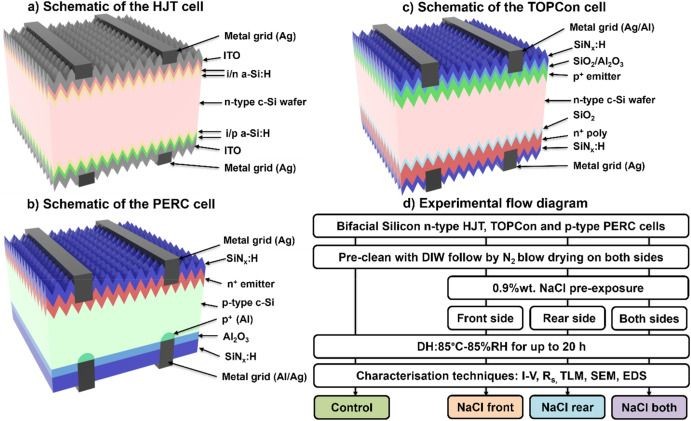
TOPCon (Tunnel Oxide Passivated Contact) is one of the most important modern solar cell technologies.
What Is TOPCon?
TOPCon refers to how the solar cells inside the panel are engineered, not the external appearance of the panel.
Why TOPCon Is Ideal for Ghana:
-
Higher efficiency (23–24%)
-
Excellent performance in high temperatures
-
Lower degradation over time
-
Longer useful lifespan (25–30+ years)
Bigger Power, Fewer Panels:
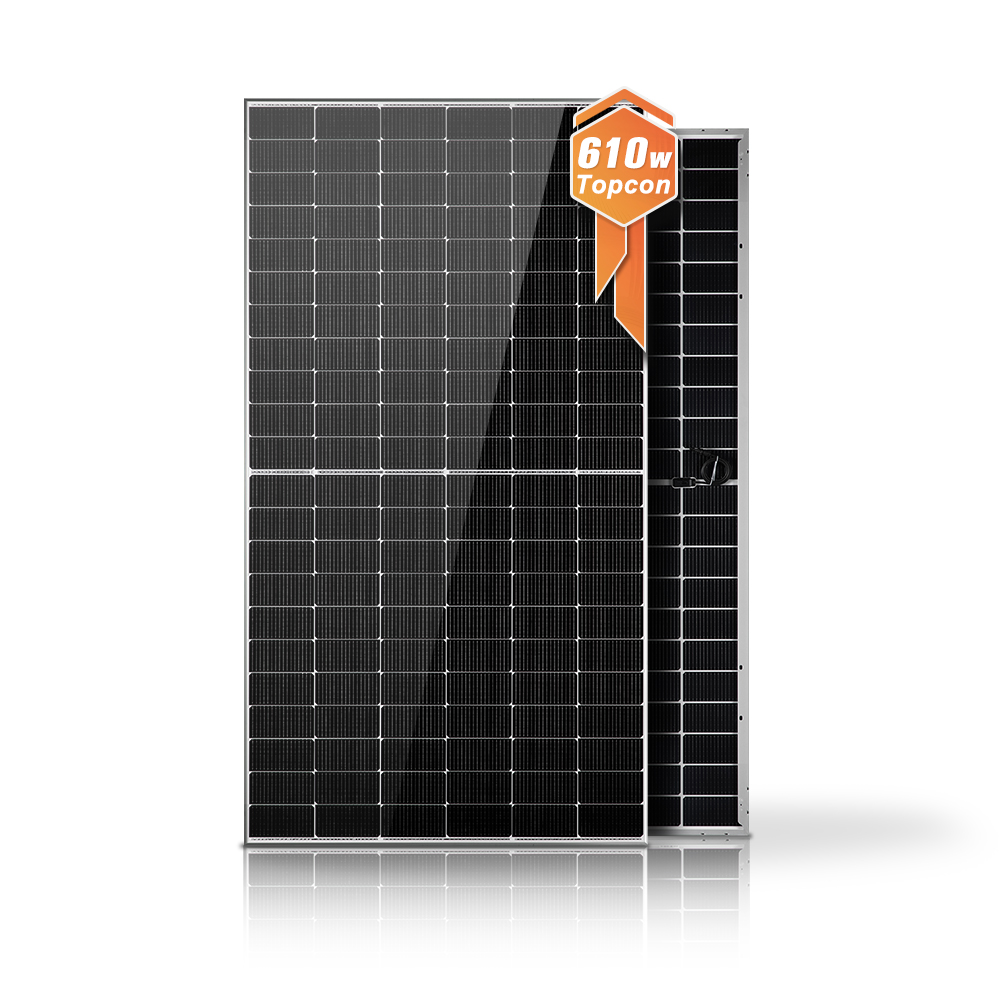
TOPCon panels are now available in 600–700W ratings, which means:
-
Fewer panels on the roof
-
Reduced mounting and wiring costs
-
More power from limited space
For homes and businesses in Ghana, this translates directly into better return on investment.
6. TOPCon + Bifacial: Maximum Energy Output
Here is the most important clarification:
✅ You can combine TOPCon cell technology with a bifacial panel design
-
TOPCon = how the cell is made
-
Bifacial = how the panel captures sunlight
Why This Combination Is Powerful:
-
Higher base efficiency
-
Additional rear-side power generation
-
Superior performance in open, sunny environments
👉 For most solar installations in Ghana today, TOPCon bifacial panels offer the best balance of performance, durability, and value.
7. HJT Solar Panels: The Premium Technology
HJT (Heterojunction Technology) currently represents the highest level of solar panel efficiency.
Advantages of HJT:
-
Highest efficiency available
-
Extremely low degradation
-
Outstanding performance in hot climates like Ghana
Considerations:
-
Higher upfront cost
-
More suitable for premium or large-scale projects
-
Best where maximum output per square meter is critical
HJT is ideal for high-end commercial, industrial, and utility-scale projects, but may not always offer the best cost-benefit for every home.
8. Solar Panel Technology Ranking (Simplified)
From highest performance to lowest:
-
HJT Solar Panels
-
TOPCon Solar Panels
-
Half-Cut Monocrystalline (PERC)
-
Polycrystalline Panels
9. What Really Matters in Ghana
In Ghana, there are no solar panel subsidies, so the decision must be based on:
-
Long-term energy output
-
Heat performance
-
Durability
-
Space efficiency
-
Total lifetime value—not just upfront cost
Choosing outdated technology may look cheaper today, but it costs more over time through lower energy production and faster degradation.
10. Nocheski Solar’s Expert Recommendation
🔑 Technology first. Brand second.
A well-engineered modern panel will always outperform an old design—even from a popular brand.
Our General Guidance:
-
Homes & SMEs: TOPCon bifacial
-
Commercial & Industrial: TOPCon or HJT
-
Large Ground-Mounted Systems: Bifacial TOPCon or HJT
Powering Ghana’s Solar Future
At Nocheski Solar, we design solar systems specifically for Ghana’s climate, grid conditions, and energy needs.
We don’t just sell panels—we build reliable, high-performance energy solutions that deliver real value for decades.
📞 Talk to Nocheski Solar today and let’s design the right solar technology for your home or business.
Smart solar starts with clear understanding. 🌞