
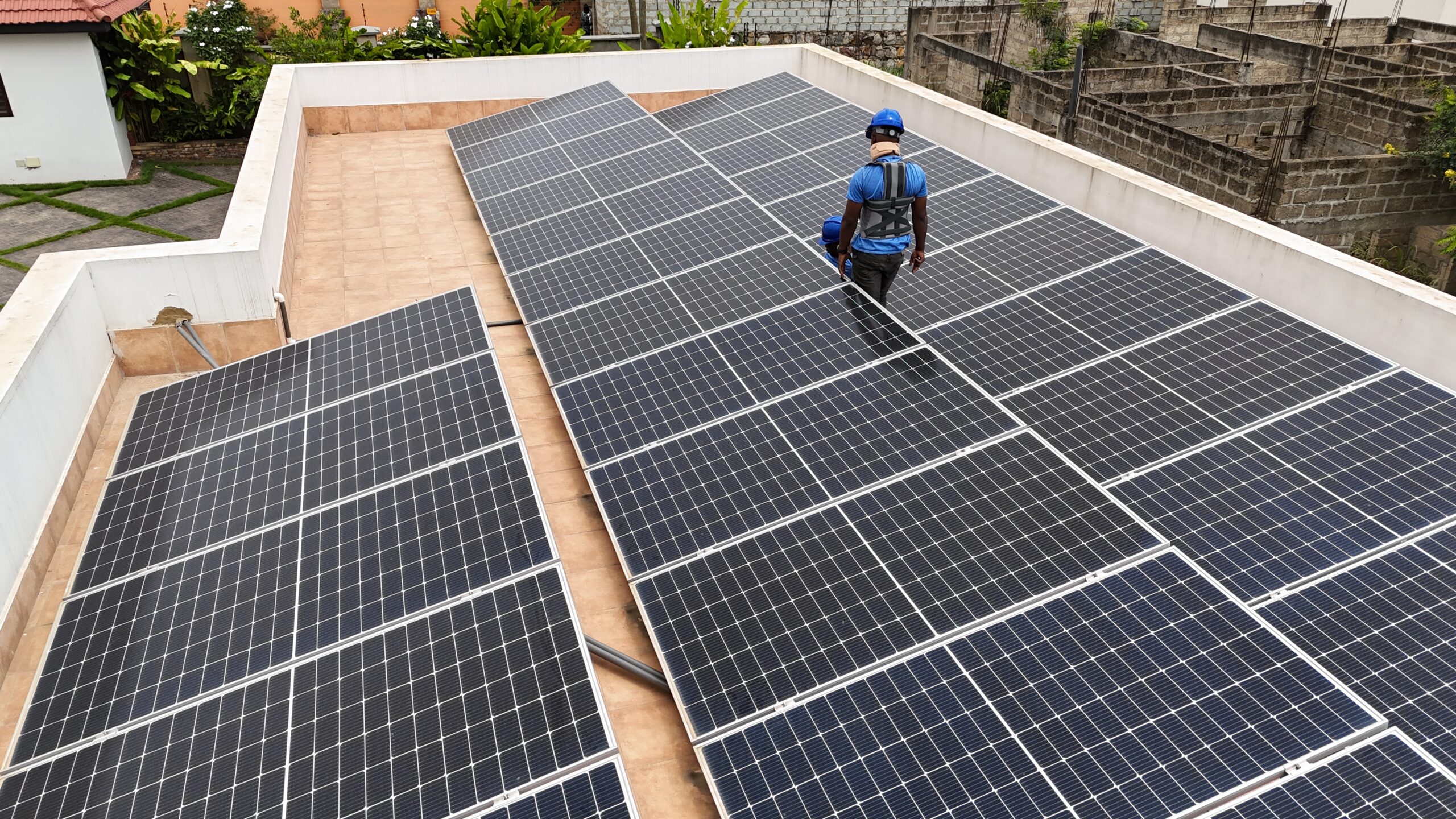
The Dawn of Smart Power in Africa
For decades, Africa’s energy landscape has been dominated by centralized fossil-fuel plants feeding aging transmission lines that struggle to meet modern demands. Blackouts, high costs, and limited access have defined much of the continent’s power experience.
But that narrative is shifting.
A bold transformation — Grid 2.0 — is underway. Across Africa, digital intelligence, energy storage, and green hydrogen are converging to create smarter, cleaner, and more resilient power systems. This is more than an upgrade; it’s a reinvention of how energy is generated, distributed, and consumed.
At its core, Grid 2.0 represents Africa’s leap from outdated infrastructure to a renewable, data-driven energy future.
1. Africa’s Energy Challenge
Despite being home to some of the world’s richest renewable resources, over 600 million Africans still lack access to reliable electricity. Those connected often face unstable supply and high tariffs.
Key pain points include:
-
Aging infrastructure: More than 60% of power transmission assets are over 25 years old.
-
Energy losses: Transmission losses average around 20%, double the global average.
-
Rising demand: Power needs are projected to triple by 2040 due to rapid industrialization and population growth.
The takeaway is clear — Africa cannot power its future using 20th-century grids. The continent must design a smarter, interconnected system capable of integrating large shares of renewables while maintaining stability.
2. Energy Storage — The Missing Link
Solar and wind energy are abundant but intermittent. Battery Energy Storage Systems (BESS) are the crucial bridge between renewable potential and grid reliability.
Why Storage Matters
-
Stabilizes supply: Captures excess solar or wind energy for use during nighttime or cloudy periods.
-
Reduces blackouts: Supports grid stability and frequency control.
-
Empowers communities: Enables microgrids and rural electrification projects to operate autonomously.
Momentum Across the Continent
-
South Africa leads with large-scale hybrid solar-storage installations under Eskom’s REIPPPP initiative.
-
Egypt’s Benban Solar Park integrates storage for consistent power dispatch.
-
Ghana, Kenya, and Nigeria are exploring storage systems for industrial and distribution-level resilience.
By 2030, Africa could surpass 30 GWh of installed storage capacity, making it the fastest-growing energy storage market in the world.
At Nocheski Solar, we see battery storage not just as a component — but as the heartbeat of Africa’s next-generation grid.
3. When Power Meets Intelligence — Smart Grids
Traditional grids assumed steady demand and centralized generation. Smart grids flip that logic, combining AI, IoT, and big data to create networks that learn, adapt, and self-correct.
The Smart Grid Advantage
-
AI-driven forecasting: Predicts demand and renewable output in real time.
-
IoT monitoring: Detects and isolates faults instantly to prevent cascading failures.
-
Blockchain integration: Enables transparent, peer-to-peer energy trading.
-
Digital twins: Model grid performance for predictive maintenance.
African Innovations
-
Morocco employs digital twins for grid optimization.
-
South Africa leverages AI analytics for predictive maintenance.
-
Kenya Power is rolling out smart meters in major cities to enhance efficiency and curb losses.
Smart grids form the digital backbone of Grid 2.0, ensuring renewable energy can scale beyond 50% penetration without compromising stability.
4. Hydrogen — The Long-Term Game Changer
While batteries balance short-term fluctuations, green hydrogen is emerging as Africa’s long-term energy storage and decarbonization solution.
Green Hydrogen Highlights
-
Namibia’s Hyphen Project targets 300,000 tonnes per year powered by 5 GW of renewables.
-
Egypt’s Suez Canal Zone is developing hydrogen export terminals for European markets.
-
South Africa’s Hydrogen Valley is integrating hydrogen into industrial and transport applications.
Hydrogen bridges the gap between renewable energy generation and industries that cannot easily electrify — like fertilizer, steel, and shipping. It also transforms excess renewable capacity into exportable green fuel, strengthening Africa’s global energy influence.
5. Financing the Future Grid
Building Africa’s Grid 2.0 will require over $120 billion in annual investment, yet current funding levels fall far short.
Emerging Financing Trends
-
Green bonds and carbon credits are unlocking new capital for grid and storage projects.
-
Development banks are shifting from generation funding to infrastructure and grid resilience.
-
Private investors are embracing “grid-as-a-service” models, monetizing data, reliability, and efficiency.
The next growth phase won’t be defined merely by who builds the power plants — but by who manages the data and intelligence that keep the grid balanced.
6. Policy, Integration, and Regional Power Pools
Technology alone cannot deliver energy equity — policy coordination and regional cooperation are essential.
Continental Progress
-
Southern African Power Pool (SAPP): Trades over 9,000 GWh annually across borders.
-
West African Power Pool (WAPP): Linking 14 nations toward full synchronization by 2028.
-
East African Power Pool (EAPP): Expanding hydropower connections across Ethiopia, Kenya, and Tanzania.
Liberalized markets are allowing independent power producers (IPPs) to sell directly to consumers, increasing competition and accelerating innovation.
Ultimately, Africa’s energy security will depend on a Pan-African Supergrid — powered by renewables, balanced by storage, and optimized through AI.
7. Powering the Vision — Nocheski Solar’s Perspective
At Nocheski Solar, we believe that Africa’s energy transition must be both technically advanced and socially inclusive.
Through our partnerships and expertise in solar, storage, and smart energy systems, we are helping communities and businesses transition into this new era — one project at a time.
Our vision for Grid 2.0 is clear:
A network where clean energy means empowerment, where data drives efficiency, and where Africa leads the world in sustainable energy innovation.
Final Thoughts — Power Reimagined
Grid 2.0 isn’t just about upgrading wires and transformers. It’s about redefining energy access, equity, and intelligence.
Africa stands on the brink of an energy renaissance — one built not on imitation, but innovation. The continent’s renewable abundance, combined with smart technologies and forward-thinking policy, is paving the way for a truly African energy revolution.
The future grid won’t just deliver power.
It will deliver progress, independence, and resilience — the true promise of Grid 2.0.