
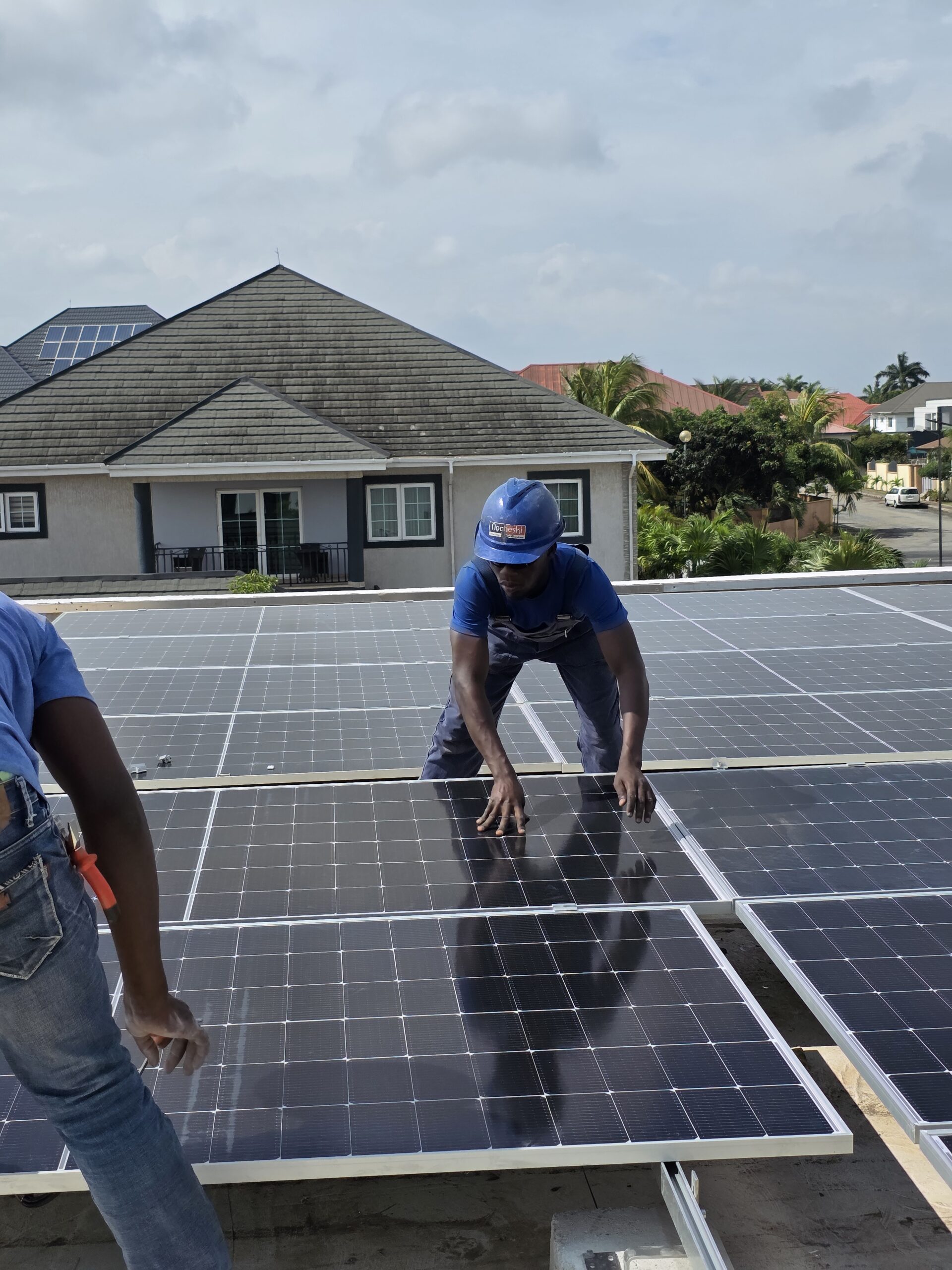
Why Solar Power Systems Fail
When people search for why solar power systems fail, they are usually not asking an academic question.
They are asking because something has already gone wrong.
Batteries no longer last through the night.
Inverter systems trip under normal use.
Generators are running more than expected.
Confidence in solar power is lost.
In most cases, these problems are not caused by solar panels or battery technology.
They are caused by poor solar power system design.
Solar panels generate electricity reliably.
Modern inverter systems are robust.
Battery energy storage systems perform predictably when designed correctly.
Yet solar power systems continue to fail — not randomly, but predictably.
The common thread is design decisions made before installation:
-
load profiling based on estimates instead of measurements
-
battery storage sized without understanding night-time demand
-
inverter systems selected without accounting for peak loads
-
no allowance for environmental conditions or future growth
This article explains why solar power systems fail, what those failures have in common, and how proper system design prevents them.
WHY POORLY DESIGNED SOLAR POWER SYSTEMS FAIL IN GHANA
(And Why the Technology Is Usually Not the Problem)
Introduction: When “Solar Failed,” What Actually Failed?
When people say “solar didn’t work,” they are rarely describing a failure of solar technology.
In most cases, they are describing the failure of a poorly designed solar power system.
Solar power systems fail predictably, not randomly.
And those failures are almost always traced back to decisions made before installation — during system design.
Understanding this distinction is critical for anyone relying on solar power for homes, businesses, healthcare facilities, or institutions.
1. Solar Panels Are Not the Problem
Solar panels are mature, reliable technology.
They convert sunlight into electricity with predictable performance when installed correctly.
However, solar panels alone do not deliver reliable power.
Reliable electricity comes from a complete solar power system, which includes:
-
solar panels
-
an inverter system
-
a battery energy storage system (battery backup)
-
protection and control equipment
When a system fails, the issue is rarely the solar panels themselves.
The issue is how the system around them was designed.
2. Failure Begins With Guesswork, Not Measurement
One of the most common causes of failure is inadequate load profiling.
Instead of measuring how electricity is actually used, many systems are designed using:
-
rough estimates
-
nameplate ratings
-
assumptions about behavior
This leads to predictable errors:
-
inverter systems that cannot handle peak demand
-
battery storage that cannot supply night-time loads
-
systems that collapse under normal usage
A solar power system must be designed around real load behavior, not averages or guesses.
@nocheski The failure of Solar power systems in Ghana begins with guesswork, NOT measurement .one of the most common causes of failure is indequate load profiling. @Chauvin Arnoux UK @Victron Energy @BYD @CA Messtechnik
3. Undersized Battery Energy Storage Systems
Battery energy storage is one of the most misunderstood parts of a solar power system.
A battery energy storage system (BESS) must be sized based on:
-
night-time energy demand
-
duration of autonomy required
-
critical vs non-critical loads
-
realistic depth of discharge
-
future growth
When battery storage is undersized:
-
power does not last through the night
-
generators are forced to run excessively
-
batteries degrade prematurely
-
confidence in solar power is lost
This is not a battery problem.
It is a design problem.
4. Inverter Systems Selected Without Context
Inverter systems are often selected based on:
-
headline power ratings
-
price
-
availability
Instead of:
-
surge requirements
-
motor starting currents
-
simultaneous load behavior
-
environmental conditions
An inverter system that is not designed for real operating conditions will:
-
trip under normal load
-
shut down during peaks
-
reduce system reliability
Again, the failure is not the inverter technology.
It is the absence of proper system design.
5. Ignoring Environment and Operating Conditions
Solar power systems do not operate in laboratories.
They operate in:
-
heat
-
dust
-
humidity
-
unstable usage patterns
-
environments with limited maintenance capacity
Design that ignores these realities leads to:
-
accelerated wear
-
overheating
-
frequent faults
-
shortened system life
A well-designed solar power system accounts for environment from the start, not after failure.
6. Price-Driven Design Is the Fastest Path to Failure
When the primary design constraint is price, reliability is always compromised.
This usually results in:
-
reduced battery storage
-
minimal protection
-
no allowance for growth
-
no redundancy for critical loads
The system may appear functional initially, but degradation begins immediately.
Lower upfront cost often produces higher lifetime cost.
7. Why Two Systems With the Same Solar Panels Perform Differently
It is common to see two installations using the same solar panels with completely different outcomes.
The difference is not the solar panels.
The difference is system design quality.
Design determines:
-
how long battery storage lasts
-
how often generators run
-
whether critical loads are protected
-
whether the system scales with demand
-
whether power remains reliable over time
8. Solar Power Systems That Work Are Rarely Dramatic
Well-designed solar power systems tend to be unremarkable.
They:
-
do not trip frequently
-
do not require constant intervention
-
do not surprise operators
They simply deliver power — day after day.
This is not luck.
It is engineering.
9. How to Avoid Solar Power System Failure
Reliable solar power systems share common characteristics:
-
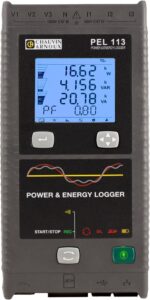
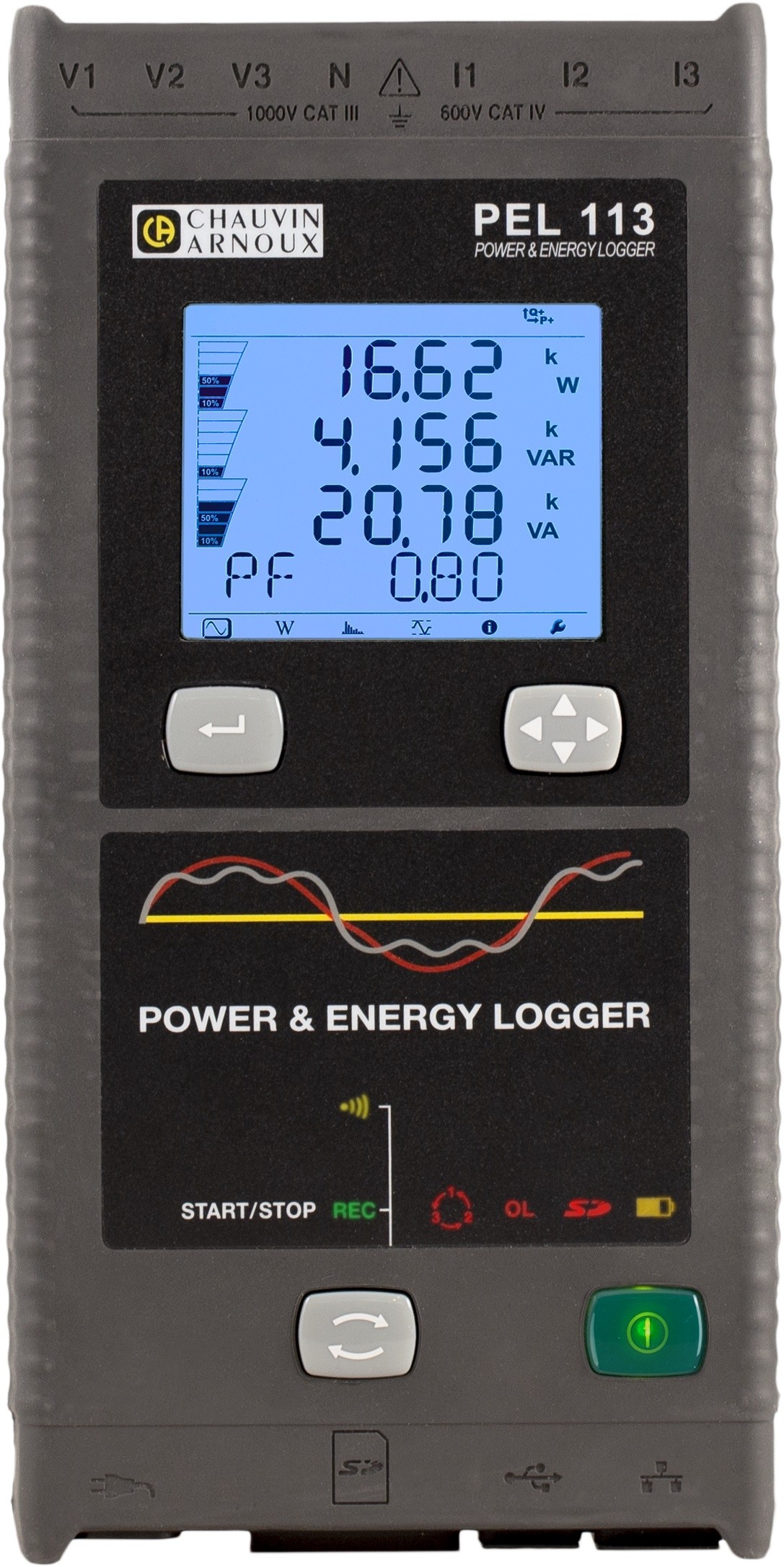
The PEL 113 measures and records all the power and energy values.
It can be used wherever there is electricity:
• electricity generator: renewable energies, thermal energy, etc. -
correctly sized battery energy storage
-
inverter systems matched to real demand
-
protection designed for real-world conditions
-
margins for growth and misuse
Design precedes equipment selection — not the other way around.
10. The Right Question to Ask
When a solar power system fails, the most important question is not:
“Why did solar fail?”
The correct question is:
“Was this solar power system ever designed to succeed?”
Conclusion: Solar Technology Works. Poor Design Does Not.
Solar power is not experimental.
It is proven, reliable technology.
Failures occur when system design is treated as optional.
At Nocheski Solar, we design solar power systems for:
-
real usage
-
real environments
-
real consequences
Because solar panels generate electricity —
but only a properly designed solar power system delivers reliable power.