
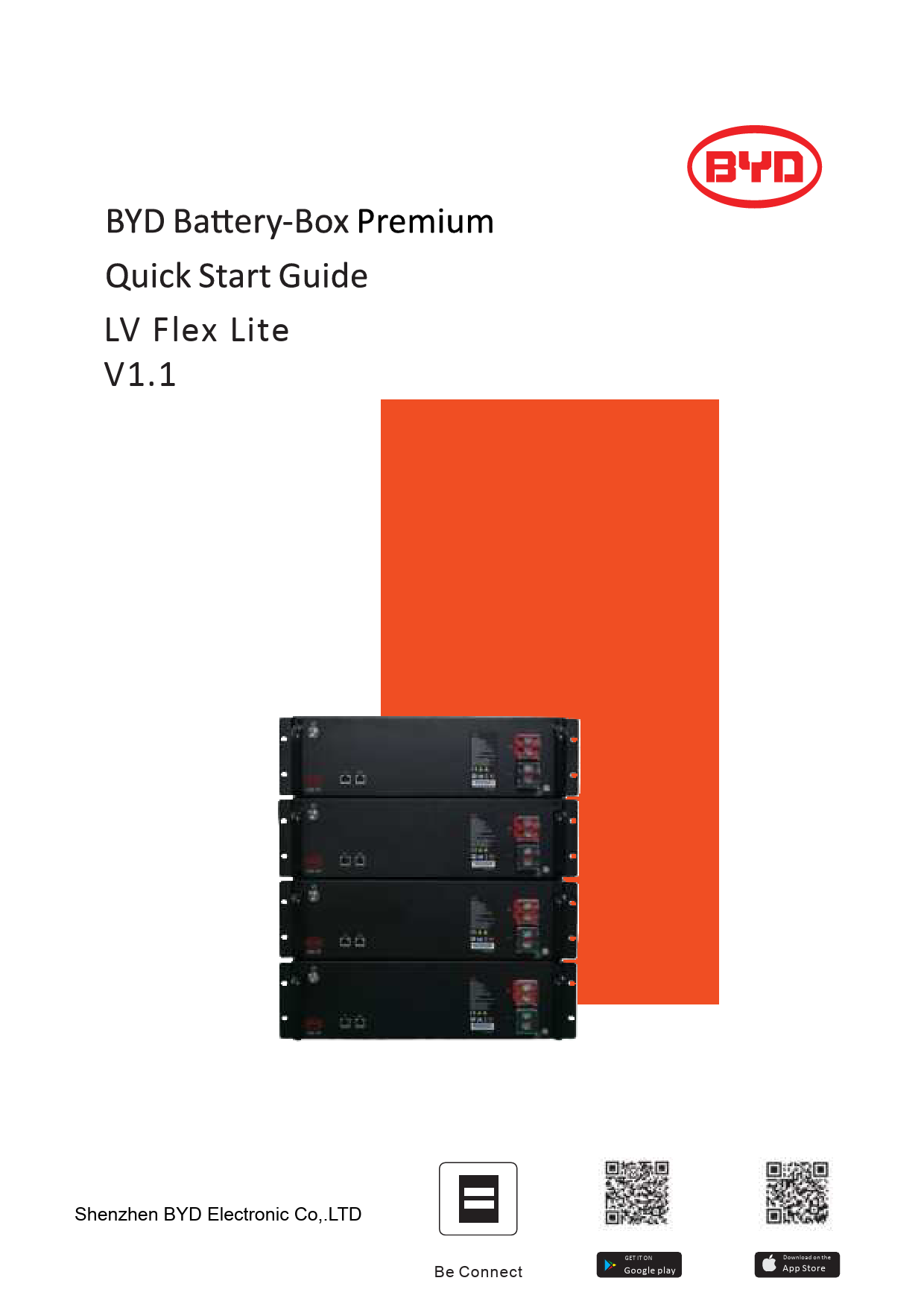
Lithium Iron Phosphate (LiFePO₄) vs Lithium-Ion Batteries.
As solar energy adoption accelerates across Africa and globally, battery storage has become the heart of reliable solar systems. Choosing the right battery chemistry can mean the difference between long-term system performance and costly replacements.
Two technologies dominate today’s conversation:
-
Lithium-Ion (Li-ion)
-
Lithium Iron Phosphate (LiFePO₄ or LFP)
Although often grouped together, they are not the same, especially when used in solar and backup power applications. This article breaks down the real differences and explains which battery makes the most sense for solar systems in 2025.
What Is a Lithium-Ion Battery?
Lithium-ion batteries are a broad family of batteries that use lithium ions to store and release energy. They are widely used in:
-
Smartphones
-
Laptops
-
Electric vehicles
-
Power tools
Common lithium-ion chemistries include:
-
NMC (Nickel Manganese Cobalt)
-
NCA (Nickel Cobalt Aluminium)
These batteries are popular because they offer:
-
High energy density
-
Compact size
-
Fast charging
However, not all lithium-ion batteries are suitable for solar energy storage.
What Is a Lithium Iron Phosphate (LiFePO₄) Battery?
LiFePO₄ batteries are a specific and safer subtype of lithium technology designed for high-duty, long-life applications.
They are increasingly used in:
-
Residential solar storage
-
Commercial and industrial solar systems
-
Telecom backup power
-
Off-grid and hybrid energy systems
LiFePO₄ storage use iron phosphate as the cathode material, which dramatically improves safety and lifespan.
Key Differences Between Li-Ion and LiFePO₄ Batteries
1. Safety and Thermal Stability
Winner: LiFePO₄
-
Standard lithium-ion can overheat and, in rare cases, catch fire if damaged or poorly managed.
-
LiFePO₄ batteries are thermally stable, resistant to overheating, and far less prone to fire or explosion.
👉 This makes LiFePO₄ ideal for homes, offices, hospitals, and schools.
2. Battery Lifespan (Cycle Life)
Winner: LiFePO₄
| Battery Type | Typical Cycles |
|---|---|
| Lithium-Ion | 500 – 1,500 cycles |
| LiFePO₄ | 3,000 – 6,000+ cycles |
LiFePO₄ batteries can last 10–15 years in solar systems when properly designed and managed.
3. Depth of Discharge (DoD)
Winner: LiFePO₄
-
Lithium-ion batterie degrade faster if deeply discharged.
-
LiFePO₄ batteries comfortably operate at 80–100% depth of discharge without significant degradation.
This means:
-
More usable energy
-
Better value over time
4. Energy Density and Size
Winner: Lithium-Ion
-
Lithium-ion batteries store more energy in a smaller, lighter package.
-
LiFePO₄ batteries are slightly heavier and larger.
👉 For solar installations, this difference is usually not critical, especially in fixed installations.
5. Performance in Hot Climates
Winner: LiFePO₄
In regions like Ghana, Nigeria, Kenya, and much of Africa, ambient temperatures matter.
-
Lithium-ion battery degrade faster at high temperatures.
-
LiFePO₄ battery perform exceptionally well in hot environments, making them ideal for tropical climates.
6. Cost Over the Battery’s Lifetime
Winner: LiFePO₄
While LiFePO₄ battery may have a higher upfront cost, their:
-
Longer lifespan
-
Higher usable capacity
-
Lower replacement frequency
…make them cheaper per kilowatt-hour over time.
Why LiFePO₄ Is the Best Choice for Solar Systems in 2026
For modern solar installations—especially hybrid and off-grid systems—LiFePO₄ batterie are now the industry standard.
They offer:
-
Long service life
-
Superior safety
-
Excellent performance in harsh climates
-
Compatibility with leading inverter brands (Victron Energy, Fronius, SMA, etc.)
This is why most premium solar battery manufacturers (BYD, Pylontech, Dyness, Freedom Won, etc.) now use LiFePO₄ chemistry.
When Might Standard Lithium-Ion Still Make Sense?
Lithium-ion batteries may still be suitable for:
-
Portable devices
-
Electric vehicles
-
Applications where weight and size are critical
However, for solar energy storage, LiFePO₄ is overwhelmingly the better long-term investment.
Final Verdict: LiFePO₄ vs Lithium-Ion for Solar
| Feature | Lithium-Ion | LiFePO₄ |
|---|---|---|
| Safety | ⚠️ Moderate | ✅ Excellent |
| Lifespan | ❌ Shorter | ✅ Very long |
| Hot climate performance | ⚠️ Average | ✅ Excellent |
| Solar suitability | ⚠️ Limited | ✅ Ideal |
| Lifetime cost | ❌ Higher | ✅ Lower |
If you are investing in solar in 2025, LiFePO₄ are the smarter, safer, and more economical choice.