Lithium Iron Phosphate (LiFePO₄) vs Lithium-Ion Batteries.

As solar energy adoption accelerates across Africa and globally, battery storage has become the heart of reliable solar systems. Choosing the right battery chemistry can mean the difference between long-term system performance and costly replacements.

Two technologies dominate today’s conversation:

  • Lithium-Ion (Li-ion)

  • Lithium Iron Phosphate (LiFePO₄ or LFP)

Although often grouped together, they are not the same, especially when used in solar and backup power applications. This article breaks down the real differences and explains which battery makes the most sense for solar systems in 2025.


What Is a Lithium-Ion Battery?

Lithium-ion batteries are a broad family of batteries that use lithium ions to store and release energy. They are widely used in:

  • Smartphones

  • Laptops

  • Electric vehicles

  • Power tools

Common lithium-ion chemistries include:

  • NMC (Nickel Manganese Cobalt)

  • NCA (Nickel Cobalt Aluminium)

These batteries are popular because they offer:

  • High energy density

  • Compact size

  • Fast charging

However, not all lithium-ion batteries are suitable for solar energy storage.


What Is a Lithium Iron Phosphate (LiFePO₄) Battery?

LiFePO₄ batteries are a specific and safer subtype of lithium technology designed for high-duty, long-life applications.

They are increasingly used in:

  • Residential solar storage

  • Commercial and industrial solar systems

  • Telecom backup power

  • Off-grid and hybrid energy systems

LiFePO₄ storage use iron phosphate as the cathode material, which dramatically improves safety and lifespan.


Key Differences Between Li-Ion and LiFePO₄ Batteries

1. Safety and Thermal Stability

Winner: LiFePO₄

  • Standard lithium-ion  can overheat and, in rare cases, catch fire if damaged or poorly managed.

  • LiFePO₄ batteries are thermally stable, resistant to overheating, and far less prone to fire or explosion.

👉 This makes LiFePO₄ ideal for homes, offices, hospitals, and schools.


2. Battery Lifespan (Cycle Life)

Winner: LiFePO₄

Battery Type Typical Cycles
Lithium-Ion 500 – 1,500 cycles
LiFePO₄ 3,000 – 6,000+ cycles

LiFePO₄ batteries can last 10–15 years in solar systems when properly designed and managed.


3. Depth of Discharge (DoD)

Winner: LiFePO₄

  • Lithium-ion batterie degrade faster if deeply discharged.

  • LiFePO₄ batteries comfortably operate at 80–100% depth of discharge without significant degradation.

This means:

  • More usable energy

  • Better value over time


4. Energy Density and Size

Winner: Lithium-Ion

  • Lithium-ion batteries store more energy in a smaller, lighter package.

  • LiFePO₄ batteries are slightly heavier and larger.

👉 For solar installations, this difference is usually not critical, especially in fixed installations.


5. Performance in Hot Climates

Winner: LiFePO₄

In regions like Ghana, Nigeria, Kenya, and much of Africa, ambient temperatures matter.

  • Lithium-ion battery degrade faster at high temperatures.

  • LiFePO₄ battery perform exceptionally well in hot environments, making them ideal for tropical climates.


6. Cost Over the Battery’s Lifetime

Winner: LiFePO₄

While LiFePO₄ battery may have a higher upfront cost, their:

  • Longer lifespan

  • Higher usable capacity

  • Lower replacement frequency

…make them cheaper per kilowatt-hour over time.


Why LiFePO₄ Is the Best Choice for Solar Systems in 2026

For modern solar installations—especially hybrid and off-grid systems—LiFePO₄ batterie are now the industry standard.

They offer:

  • Long service life

  • Superior safety

  • Excellent performance in harsh climates

  • Compatibility with leading inverter brands (Victron Energy, Fronius, SMA, etc.)

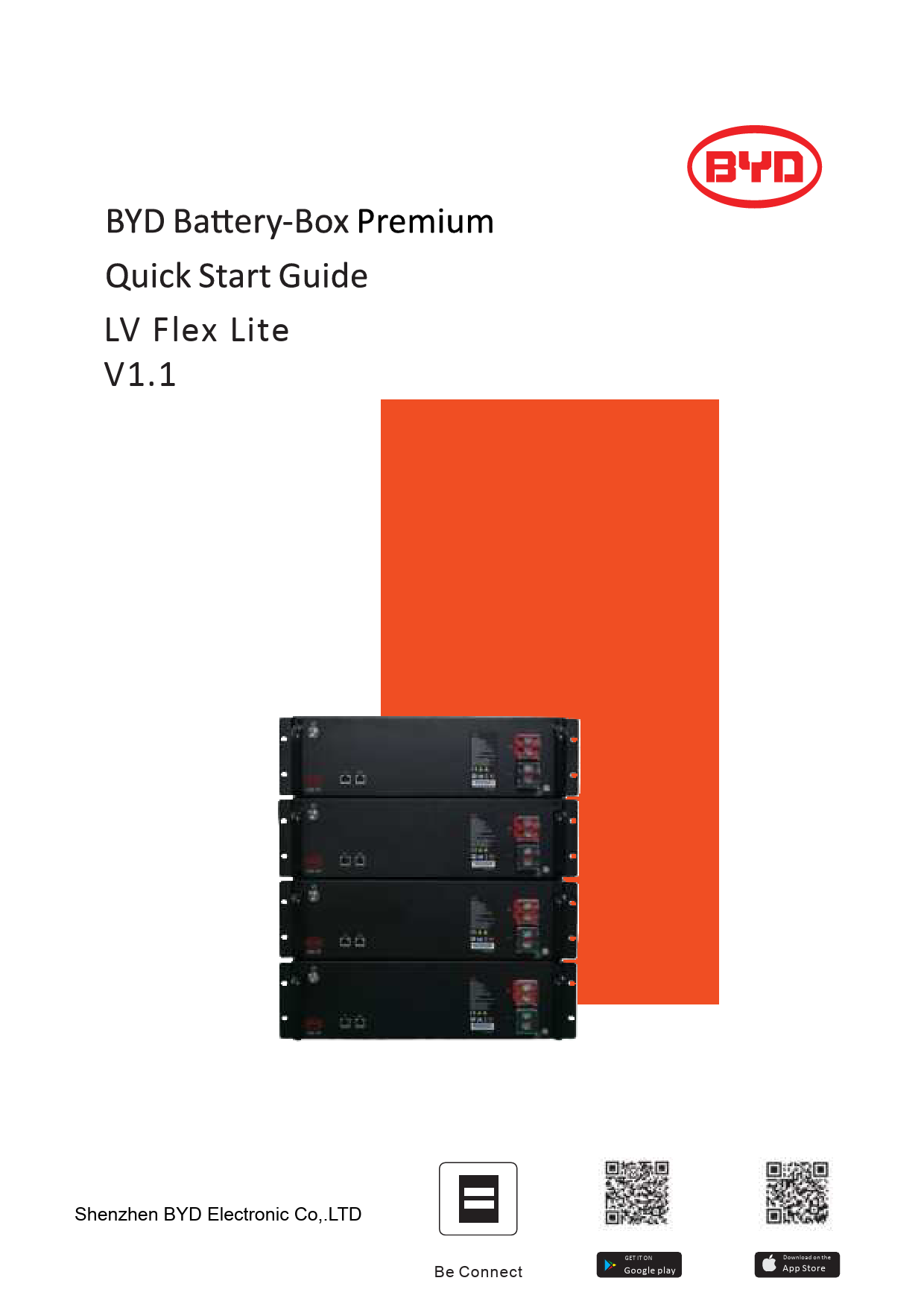
This is why most premium solar battery manufacturers (BYD, Pylontech, Dyness, Freedom Won, etc.) now use LiFePO₄ chemistry.


When Might Standard Lithium-Ion Still Make Sense?

Lithium-ion batteries may still be suitable for:

  • Portable devices

  • Electric vehicles

  • Applications where weight and size are critical

However, for solar energy storage, LiFePO₄ is overwhelmingly the better long-term investment.


Final Verdict: LiFePO₄ vs Lithium-Ion for Solar

Feature Lithium-Ion LiFePO₄
Safety ⚠️ Moderate ✅ Excellent
Lifespan ❌ Shorter ✅ Very long
Hot climate performance ⚠️ Average ✅ Excellent
Solar suitability ⚠️ Limited ✅ Ideal
Lifetime cost ❌ Higher ✅ Lower

If you are investing in solar in 2025, LiFePO₄  are the smarter, safer, and more economical choice.

Solar power+ Fish Farming Business in Ghana

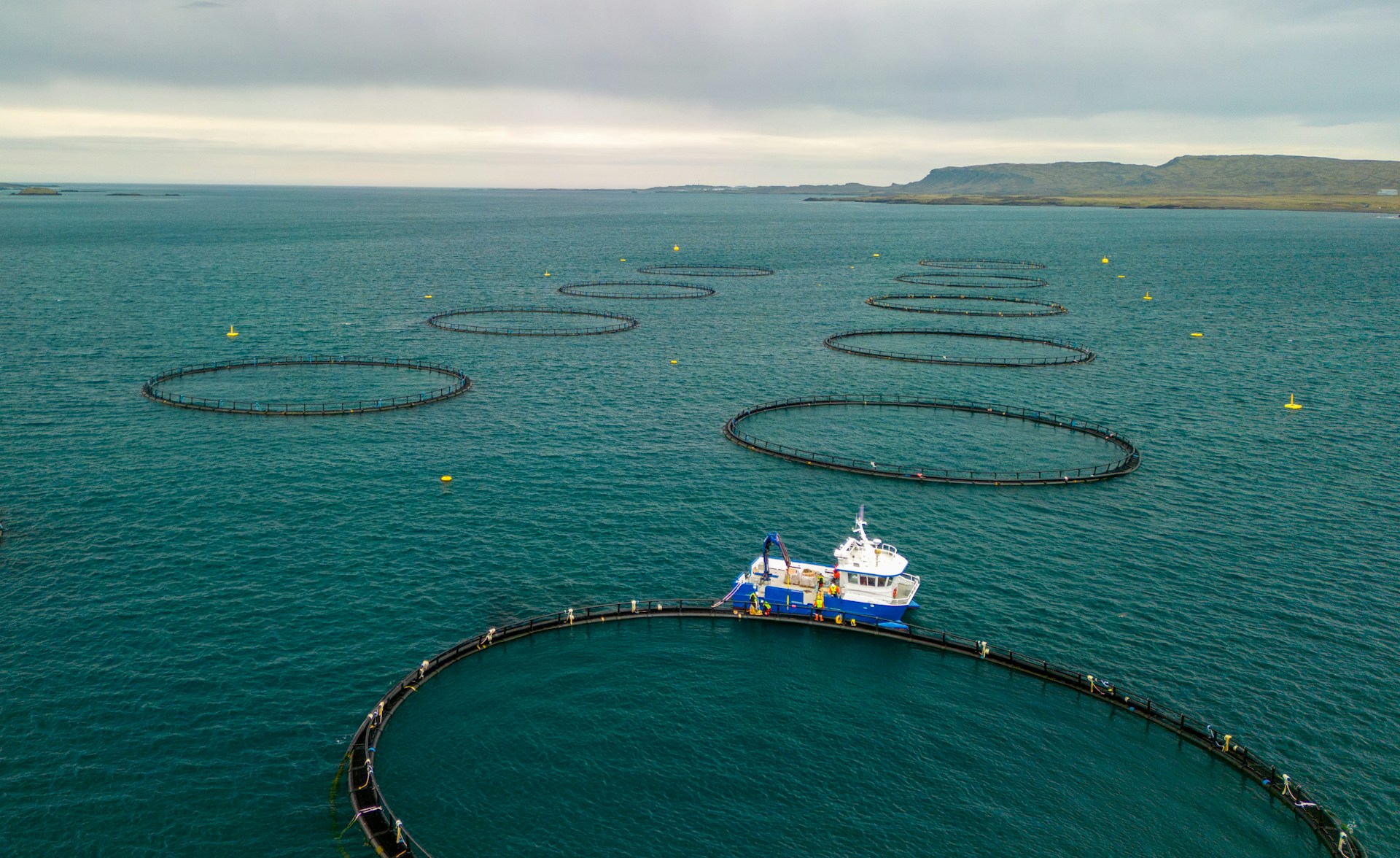
Fish farming is one of Ghana’s fastest-growing agri business sectors, especially in regions like the Volta Lake, Ashanti, Bono, and parts of Northern Ghana. However, while demand for tilapia and catfish continues to rise, energy remains one of the biggest limiting factors for scaling aquaculture operations.

With many cage farms operating far from the national grid—or in areas where electricity is unreliable—solar power has emerged as a game-changing solution. Beyond simply providing electricity, solar energy enhances operational efficiency, reduces losses, and improves overall productivity.

Below are the key ways solar power boosts productivity in Ghanaian fish farms.

https://www.youtube.com/shorts/4V39mCqf8q

1️⃣ Reliable Power Supply for Remote Operations

Most fish farms on the Volta Lake and remote inland ponds operate far from grid access. Even grid-connected farms suffer from outages that disrupt operations.

Solar energy solves this by providing:

  • Continuous electricity for feeding, monitoring, and security
  • Stable power for 24/7 operations
  • Reduced downtime caused by power failures

This reliability translates directly into higher survival rates, faster fish growth, and lower operational risk.

2️⃣ Powering Automated Feeding Systems for Faster Growth

Modern high-capacity farms rely on:

  • Automatic feeders
  • Feeding cameras
  • Feed blowers
  • Smart feeding algorithms

These systems require steady electricity to deliver feed accurately and consistently.

Solar ensures:

✔ Fish are fed on time
✔ Optimized feed conversion ratios (FCR)
✔ Reduced feed waste
✔ Improved growth cycles

With feed making up 60–70% of operational costs, solar-powered automation significantly boosts profitability.

3️⃣ Running Aeration & Water Quality Systems

Healthy fish require:

  • Adequate dissolved oxygen (DO)
  • Stable temperatures
  • Clean water circulation

Solar systems can power:

  • Paddlewheel aerators
  • Air pumps
  • Submersible circulation pumps
  • Water quality sensors

This reduces fish stress, prevents sudden mortalities, and leads to healthier, more resilient stock.

4️⃣ Enabling Security & Surveillance Systems

Fish farms lose millions annually to:

  • Nighttime theft
  • Poaching
  • Net vandalism
  • Sabotage

Solar systems can power:

  • Radar systems
  • CCTV cameras
  • Motion sensors
  • Security lighting
  • Alarms and communication devices

Like those used on Volta Lake floating platforms, radar systems help farmers track vessels approaching cages—preventing theft before it happens.

This increases farm safety and protects valuable fish stock.

5️⃣ Lowering Operational Costs by Eliminating Diesel Dependency

Diesel generators are:

  • Expensive to fuel
  • Expensive to maintain
  • Noisy and harmful to fish
  • Logistically difficult to supply in remote areas
  • Prone to failure

Solar power drastically reduces operating costs:

  • Fuel expenses drop 60–90%
  • Maintenance costs drop
  • System lifespan exceeds 20–25 years

Every cedi saved boosts productivity and profitability.

6️⃣ Improving Worker Efficiency & Safety

With reliable solar power:

  • Workers can operate at night
  • Feeding and harvesting can happen in early hours
  • Communication between boats and control centers is consistent
  • LED lighting improves visibility for night patrols
  • Safety equipment remains powered

This fosters a professional, well-organized aquaculture environment.

7️⃣ Supporting Digital Fish Farming Tools

Smart aquaculture is becoming the new standard.

Solar allows farms to use:

  • IoT sensors (DO, ammonia, temp, turbidity)
  • Real-time monitoring apps
  • GPS tracking systems
  • Cloud-based reporting
  • Biomass estimation tools (camera vision AI)

These tools help farmers make data-driven decisions, improving productivity and reducing waste.

8️⃣ Enhancing Sustainability & Attracting Investors

Ghana’s aquaculture sector is moving toward:

  • Climate-smart agriculture
  • Lower carbon emissions
  • Environmentally safe food production

Solar-powered fish farms are more attractive to:

  • Investors
  • Development agencies
  • Export partners
  • Certification bodies

By reducing emissions and preventing fuel pollution, solar improves the environmental footprint of aquaculture operations.

9️⃣ Powering Floating Control Platforms on Volta Lake

Large farms often use floating barges to house:

  • Radar systems
  • Feeding equipment
  • Staff quarters
  • Communication hubs
  • Monitoring centers

Installing solar on these platforms is essential because:

  • They operate far offshore
  • Generators are unstable on floating surfaces
  • Solar provides silent, uninterrupted power
  • Radar and surveillance require 24/7 electricity

This enables safer navigation, especially at night when the lake becomes hazardous.

🔟 Increasing Yield, Reducing Losses, and Scaling Profitably

When power becomes reliable, everything improves:

  • Feed conversion ratios (FCR) drop
  • Mortality rates fall
  • Growth cycles shorten
  • Harvest sizes increase
  • Operations run smoothly year-round

Solar transforms fish farming from unpredictable to professional and scalable.

Top Fish Species for Ghana Aquaculture

Let’s look a bit closer at why these fish are so popular and suitable for farming in Ghana.

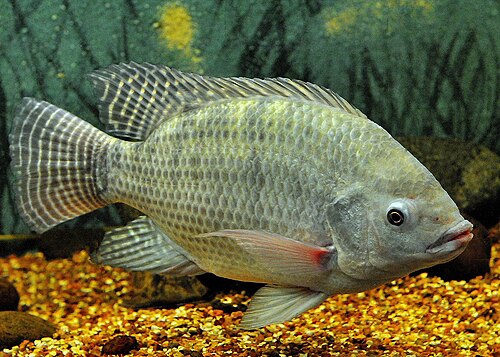
tilapia fish farming business in ghana

tilapia solar fish farming business in ghana

  • Nile Tilapia (Oreochromis niloticus)21: This is probably the most widely farmed fish in Ghana. They are hardy, meaning they can tolerate a range of water conditions. They are also prolific breeders, which can be both a good thing (easy to get fingerlings) and a challenge (can lead to overpopulation and stunted growth if not managed). Tilapia are primarily herbivores/omnivores, and can be fed on a variety of diets, including some plant-based feeds, which can sometimes help manage feed costs. I’ve seen them do well in ponds, cages, and tank systems.
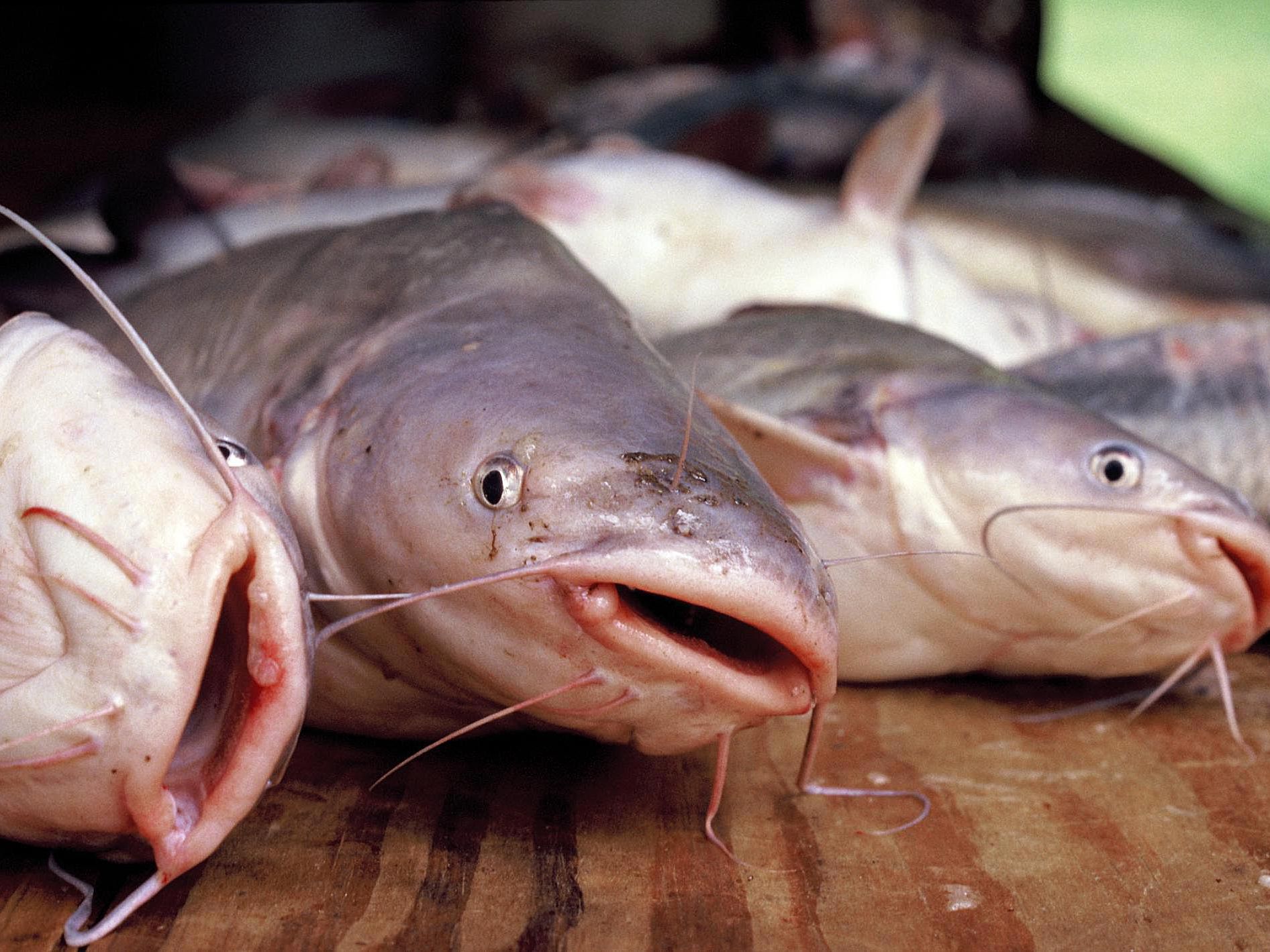
  • catfish farming business in ghana

    solar fish farming in ghana

    African Catfish (Clarias gariepinus)22: This is another very popular choice. Catfish are known for their fast growth rate and their ability to tolerate low oxygen levels in water because they can breathe atmospheric air. This makes them quite resilient. They are carnivorous and require high-protein feed, which can be a significant cost factor. However, their market price is generally good, and they are highly sought after for their taste. I’ve seen impressive yields from well-managed catfish farms.

🌞 Conclusion: Solar Power Is the Future of Fish Farming in Ghana

Solar energy is not just an alternative source of power—it is a strategic productivity enhancer that revolutionizes how aquaculture businesses operate in Ghana.

From powering essential systems to enabling smarter decision-making, solar gives fish farmers the tools they need to grow sustainably, cut costs, improve yields, and stay competitive.

For operations on the Volta Lake and beyond, solar power is the backbone of modern aquaculture.